
Blue Aventurine
Blue Aventurine brings cool blue colour together with the softly sparkling character associated with aventurine quartz. Material sold under this trade name is typically quartz-rich and may contain blue mineral inclusions that influence its colour and texture. Within crystal traditions, Blue Aventurine is commonly associated with communication, calm focus, self-expression and thoughtful decision-making.
Showing all 2 resultsSorted by latest
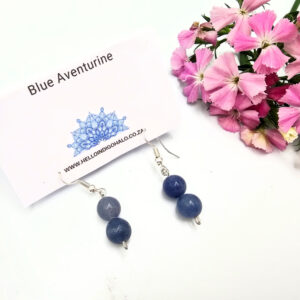
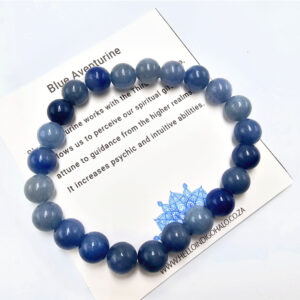
Blue Aventurine Is More Complicated Than the Name Suggests
Blue Aventurine sounds as though it should simply be the blue version of Green Aventurine.
In the crystal trade, the naming is not quite that tidy.
Aventurine is generally a quartz-rich material containing reflective mineral inclusions that can create a subtle sparkling effect known as aventurescence.
Blue material sold as Blue Aventurine may therefore vary in appearance and in the minerals responsible for the colour.
That makes accurate supplier identification especially useful.
What Is Blue Aventurine?
Blue Aventurine is best treated as a commercial or trade name for blue quartz-rich aventurine material, rather than the name of one formally defined mineral species.
The underlying material is commonly quartz or quartzite.
Tiny included minerals can influence both colour and sparkle.
Some blue quartz material is associated with Dumortierite inclusions, while other aventurine-type material may contain different reflective particles.
For HIH, that means the safest customer wording is:
Material: Blue Aventurine / blue aventurine quartz
rather than presenting one inclusion mineral as guaranteed unless the supplier has actually confirmed it.
What Makes Aventurine Sparkle?
The classic aventurine effect comes from tiny reflective inclusions inside quartz or quartzite.
As the stone moves under light, some of those particles reflect more strongly than the surrounding material.
This creates the subtle shimmer known as aventurescence.
The effect can be obvious in one piece and much quieter in another.
A stone does not need to look glittery like manufactured glass to belong to the aventurine family.
Natural sparkle is usually softer and more irregular.
Blue Aventurine and Blue Quartz Are Not Automatically the Same Thing
HIH currently has separate Blue Aventurine and Blue Quartz categories.
That separation is useful.
Blue Quartz is a broad descriptive term for quartz appearing blue because of inclusions or other structural causes.
Blue Aventurine specifically implies material being sold within the aventurine trade tradition, usually with some degree of aventurescent or inclusion-rich character.
Because trade naming can overlap, product identification should follow the actual supplier material rather than colour alone.
Do not move a Blue Quartz product into Blue Aventurine simply because both are blue.
For a wider way to browse individual mineral and trade names, visit the Crystal Names collection.
Blue Aventurine Is Not Blue Sandstone
This is another useful distinction.
Blue Sandstone is a manufactured glass material filled with reflective metallic-looking particles.
Blue Aventurine is sold as a natural quartz-rich stone material.
Both may show sparkle.
That does not make them the same thing.
HIH should keep the names and categories completely separate so customers can clearly distinguish a natural stone trade material from decorative manufactured glass.
Choosing Blue Aventurine
Start with the colour.
Some pieces may be soft denim blue.
Others can appear grey-blue, darker blue or unevenly mottled.
Then look at the texture and sparkle.
If the aventurescent effect matters to you, examine product photographs for small reflective areas rather than expecting perfectly uniform glitter.
Natural inclusions can be unevenly distributed.
That variation is part of the material rather than a manufacturing defect.
Blue Aventurine in Crystal Traditions
Within crystal traditions, Blue Aventurine is commonly associated with communication, calm thinking, self-expression, patience and thoughtful decision-making.
Its blue colour often connects it symbolically with the Throat Chakra and themes of speaking clearly or expressing ideas more comfortably.
These are metaphysical traditions rather than scientifically demonstrated properties of quartz.
The material can be enjoyed just as easily for its colour, texture and mineral inclusions.
Caring for Blue Aventurine
Quartz-rich aventurine is generally durable enough for ordinary handling, but sensible care still applies.
Avoid hard knocks, harsh household chemicals and abrasive cleaners.
Use a soft cloth and mild cleaning methods for polished material.
If the stone is set in jewellery, always consider the metal, adhesive, cord or elastic as well.
And because the exact inclusion minerals can vary in trade-name material, there is no need for aggressive soaking or chemical cleaning.
Frequently Asked Questions
Is Blue Aventurine a real stone?
Yes, Blue Aventurine is a crystal-trade name used for natural blue quartz-rich material sold within the aventurine family, although the precise inclusions can vary.
Is Blue Aventurine the same as Blue Quartz?
Not automatically. The terms can overlap in the trade, but Blue Quartz is broader, while Blue Aventurine specifically suggests aventurine-style quartz material with inclusion-related character.
Is Blue Aventurine the same as Blue Sandstone?
No. Blue Sandstone is manufactured glass, while Blue Aventurine is sold as natural quartz-rich stone material.
Does Blue Aventurine always sparkle?
Not strongly. Aventurescence can be subtle, and one piece may show much more visible reflective material than another.
What is Blue Aventurine traditionally associated with?
Within crystal traditions, Blue Aventurine is commonly associated with communication, calm focus, patience, self-expression and thoughtful decision-making.