
Smudging Sprays
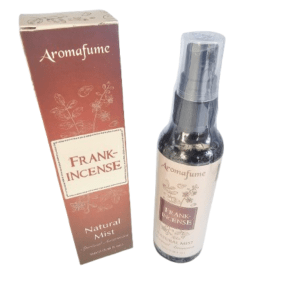
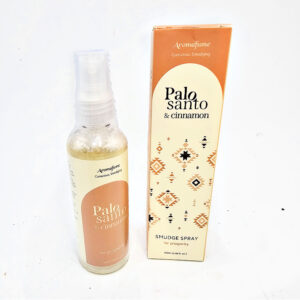
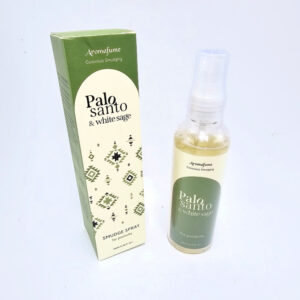
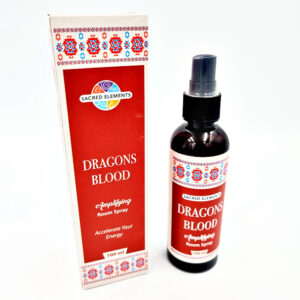
No smoke, no ash — just fragrance at the press of a nozzle. Our Smudging Sprays include White Sage, Palo Santo, Dragon’s Blood, Frankincense and aromatic blends for refreshing your surroundings or incorporating into personal rituals. They’re an easy option when you enjoy incense-inspired scents without needing to burn anything.
Showing all 17 resultsSorted by latest
-

-
-
-
-
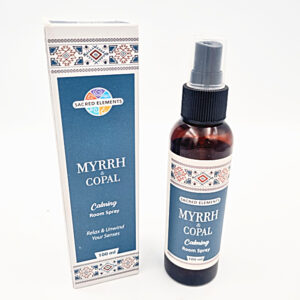
Sacred Elements Myrrh & Copal Spray
Original price was: R149.00.R119.00Current price is: R119.00. Add to basketQuick View -
-
-
-
-
-
-
-
-
-
-
-
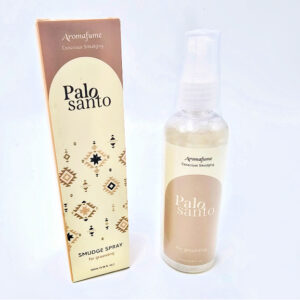
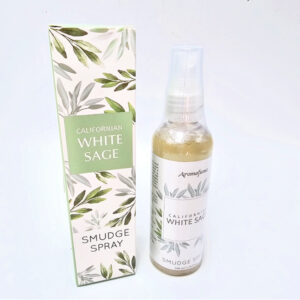
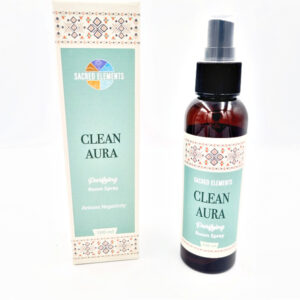
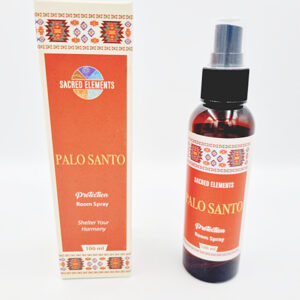
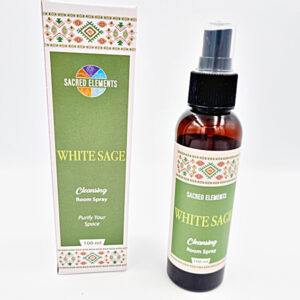
Smudging Sprays & Smoke-Free Aromatic Sprays
Love incense-inspired fragrance but don't always want smoke? Smudging Sprays offer a convenient aromatic alternative.
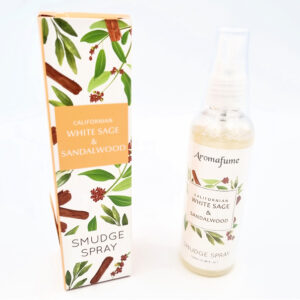
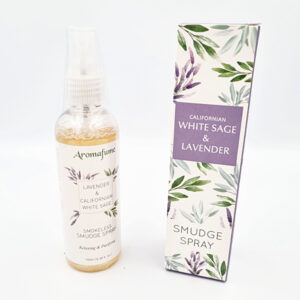
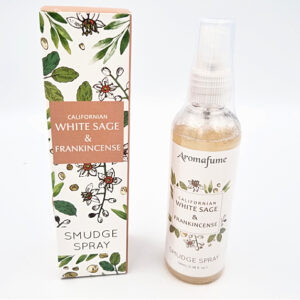
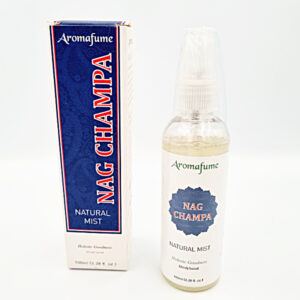
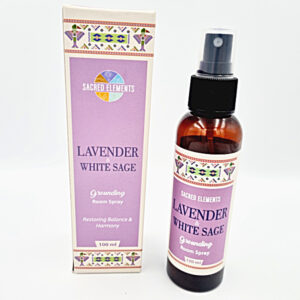
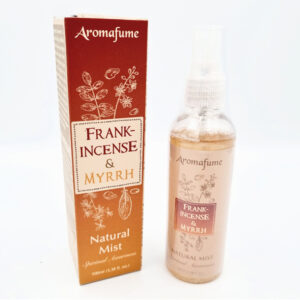
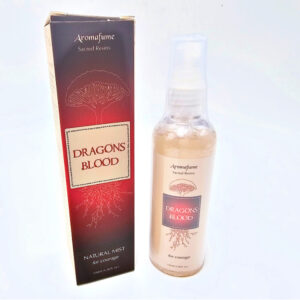
Our collection includes fragrances inspired by White Sage, Palo Santo, Dragon's Blood, Frankincense, Myrrh, Copal, Nag Champa and other familiar incense profiles, alongside blended fragrances such as White Sage & Lavender and White Sage & Sandalwood.
Simply remember that an aromatic spray and ceremonial smudging aren't the same thing.
What Is a Smudging Spray?
Products marketed as smudging or smudge sprays are aromatic sprays designed to release fragrance into a space without burning a smudge stick, incense or resin.
Depending on the individual product, they may contain different fragrance ingredients and formulations, so always check the product information and directions for the particular spray you choose.
Some people use these sprays simply because they enjoy the fragrance, while others incorporate them into meditation, intention-setting or personal spiritual rituals.
Smudging Sprays vs Traditional Smudging
The word smudging deserves a little context.
Smudging refers to specific ceremonial practices within certain Indigenous cultures of North America. These traditions have their own cultural and spiritual meanings and shouldn't be reduced to simply making a room smell pleasant or described as interchangeable with a commercial aromatic spray.
Products sold as “smudging sprays” use terminology that has become widespread within the modern spiritual-products market.
A spray can offer a smoke-free fragrance inspired by ingredients commonly associated with incense and contemporary spiritual practices, but using one shouldn't be presented as performing an Indigenous ceremony.
If you prefer burning suitable aromatic plant materials or using other incense formats, explore our Smudge Sticks & Tools collection.
White Sage Sprays
White Sage is one of the most prominent fragrance themes in the current collection, appearing alone and in combinations with Palo Santo, Lavender, Sandalwood and Frankincense.
White Sage (Salvia apiana) is a plant native to parts of southwestern North America and northern Mexico and has cultural significance for some Indigenous peoples.
When choosing a White Sage spray, it's more accurate to describe it as a White Sage or White Sage-inspired aromatic product than to promise that spraying it will spiritually “cleanse” a room.
Palo Santo Sprays
The collection also includes Palo Santo sprays and blends pairing Palo Santo with other fragrances.
Palo Santo is a common name associated with aromatic woods used in parts of Latin America and has cultural and traditional significance.
With a spray, you're choosing a formulated aromatic product rather than burning the wood itself.
That makes it particularly useful for someone who enjoys the fragrance profile but wants a product that doesn't require a flame or produce smoke.
Dragon's Blood, Frankincense, Myrrh & Copal
If you enjoy richer incense fragrances, there are several other directions to explore.
Frankincense and Myrrh are aromatic resins with long histories of trade, perfumery, incense and religious use across different cultures.
Copal is a term used for various aromatic tree resins with important traditional uses in parts of the Americas.
Dragon's Blood refers to red resins obtained from several different plant groups and has a long history of use in incense and other applications.
The spray versions provide fragrance without requiring charcoal or burning loose resin.
If you enjoy the traditional resin format as well, explore our Resins collection.
Choosing a Smudging Spray by Fragrance
You don't need to choose according to a spiritual meaning.
Start with the fragrance profile you actually enjoy.
White Sage — herbal and distinctive.
Palo Santo-inspired blends — often chosen for their woody aromatic character.
Lavender blends — useful if you prefer something softer and more floral.
Sandalwood blends — a good direction for warm, woody fragrance lovers.
Frankincense, Myrrh & Copal — worth exploring if you're drawn to deeper resinous incense profiles.
Nag Champa — ideal for someone who already loves the familiar fragrance associated with Nag Champa incense.
Individual formulations vary, so use the product description rather than assuming every brand's version of a fragrance will smell identical.
When Are Smoke-Free Sprays Useful?
One of the biggest practical advantages is convenience.
Aromatic sprays can be useful when you want fragrance without lighting incense or charcoal, particularly where smoke isn't desirable.
They may suit:
- Home fragrance
- Personal meditation spaces
- Offices or workspaces where permitted
- Travel
- Personal rituals
- Refreshing a room without burning incense
Always be considerate of other people sharing the space, particularly anyone who may be sensitive to fragrance.
Smudging Sprays vs Incense Sticks
The biggest difference is combustion.
An Incense Stick smoulders and produces both fragrance and smoke. A spray disperses a formulated aromatic product without needing to be lit.
If you love the ritual and slow-burning character of incense, sticks may be your preference. If you want something quick and smoke-free, a spray can be more convenient.
You don't necessarily need to choose one or the other — they simply provide different ways to enjoy fragrance.
Using Smudging Sprays Safely
Always follow the directions supplied with the individual spray.
As a general rule:
- Use only as directed on the product.
- Avoid spraying towards the face or eyes.
- Don't ingest the product.
- Keep it away from children and pets.
- Be considerate around people with fragrance sensitivities.
- Check the product instructions before spraying directly onto skin, fabrics, furniture or other surfaces.
- Store according to the manufacturer's directions.
Don't assume a room spray is automatically a body spray, linen spray or surface spray unless the product specifically states that use.
Frequently Asked Questions About Smudging Sprays
What is a smudging spray?
A smudging spray is a commercial aromatic spray typically inspired by fragrances associated with incense, spiritual products or contemporary cleansing rituals. It releases fragrance without requiring you to burn incense or plant material.
Do smudging sprays create smoke?
No. A spray doesn't use combustion, so it doesn't produce incense smoke or ash.
Is using a smudging spray the same as traditional smudging?
No. Smudging refers to specific ceremonial traditions practised by certain Indigenous peoples of North America. A commercial aromatic spray shouldn't be presented as equivalent to those ceremonies.
What is the difference between a smudging spray and incense?
Incense burns or smoulders to release aromatic smoke. A spray disperses fragrance without combustion, making it a convenient option when you don't want to burn anything.
Which smudging spray should I choose?
Start with fragrance. White Sage, Palo Santo, Dragon's Blood, Nag Champa, Frankincense and blended fragrances each offer a different aromatic character. Choose something you genuinely enjoy rather than feeling that you need a particular scent for a particular result.
Can I spray a smudging spray on my body or clothes?
Only if the individual product instructions specifically say it is suitable. Don't assume that a product intended for room fragrance is automatically safe for use as a body or fabric spray.
Do smudging sprays cleanse negative energy?
Some people incorporate aromatic sprays into personal spiritual or intention-setting practices, but claims that a spray objectively removes “negative energy” aren't scientifically established. We prefer to distinguish personal spiritual belief from proven physical effects.