
Feng Shui
Invite harmony and positive energy into your home with our Feng Shui collection, featuring lucky statues, crystals, incense, talismans, ornaments, and meaningful gifts inspired by the ancient principles of Feng Shui. Designed to help create balance, prosperity, protection, and wellbeing, these carefully selected items are perfect for your home, workspace, or spiritual practice. Browse one of South Africa’s most unique ranges of Feng Shui décor, gifts, and accessories to enhance every space with beauty and intention.
Showing 1–25 of 27 resultsSorted by latest
-
-

-
-
-
-
-
-
-
-
-
-
-
-
-
-
-
-
-
-
-
-
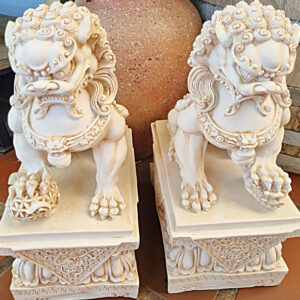
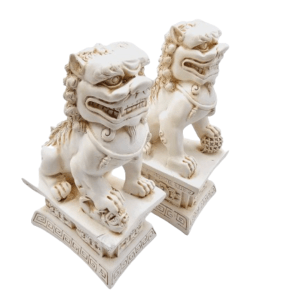
Large Feng Shui Fu Dogs (24cm) Set of 2
Original price was: R989.00.R759.00Current price is: R759.00. Add to basketQuick View -
-
-
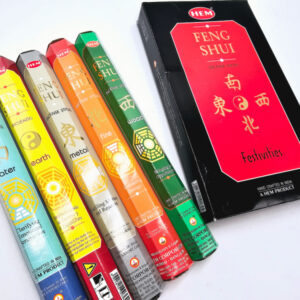
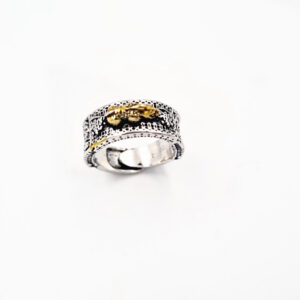
Feng Shui Symbols, Lucky Décor & Traditional Meanings
Feng Shui is a traditional Chinese practice concerned with the relationship between people, spaces and their surrounding environment.
Over its long history, different schools and interpretations have developed, and modern Feng Shui décor often incorporates symbols traditionally associated with ideas such as prosperity, protection, good fortune, longevity and harmony.
The Hello Indigo Halo collection includes Chinese lucky coins, Money Frogs, Fu Dogs, Pixiu, dragons, Dragon Tortoises and other symbolic pieces. You can choose according to traditional meaning, where you would like to place the piece, or simply because a particular design speaks to you.
What Is Feng Shui?
The term Feng Shui translates literally as “wind-water”.
Traditional Feng Shui is much more complex than simply placing a lucky ornament in a room. It includes systems concerned with orientation, landscape, spatial relationships, qi and the positioning of buildings and objects.
Many decorative products sold today draw on individual symbols that have become associated with Feng Shui and broader Chinese traditions.
We therefore prefer to describe their meanings as traditional associations rather than guaranteed outcomes.
A Money Frog may traditionally symbolise wealth, for example, but placing one in your home cannot guarantee financial prosperity.
Chinese Lucky Coins
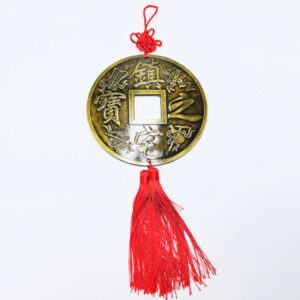
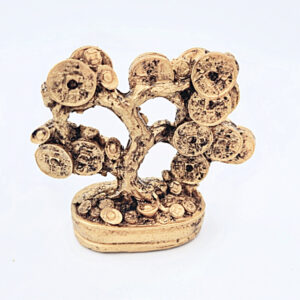
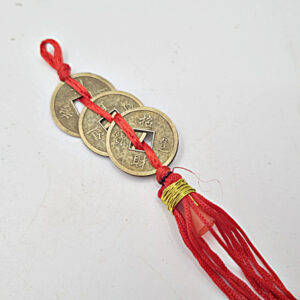
Traditional-style Chinese Feng Shui coins are among the most recognisable pieces in the collection.
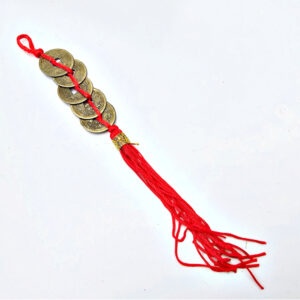
Many reproduce the distinctive round form with a square opening associated with historical Chinese cash coins.
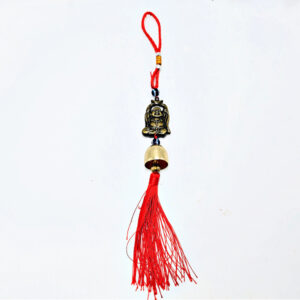
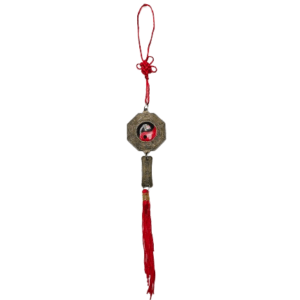
Within modern Feng Shui practice, coin motifs are commonly associated with wealth, prosperity and good fortune. They may appear individually or tied together in groups and incorporated into hanging ornaments, tassels and other decorative pieces.
Our collection includes individual coins as well as three-coin and five-coin hanging designs.
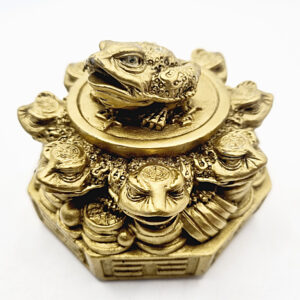
Money Frog Meaning in Feng Shui
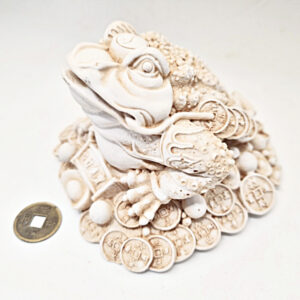
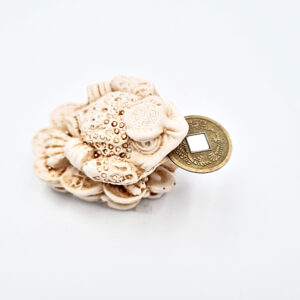
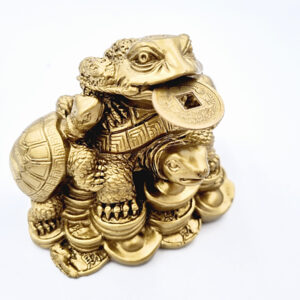
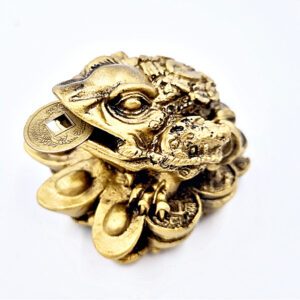
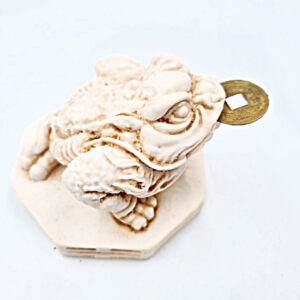
The Money Frog, also commonly called a Money Toad or Three-Legged Toad, is a popular prosperity symbol in modern Feng Shui.
It is often depicted sitting on or surrounded by coins and is traditionally associated with wealth and abundance.
HIH's changing collection includes Money Frog statues in several sizes and designs, including pieces incorporating coins, tortoises and multiple frogs.
These associations are symbolic traditions rather than promises that the object itself will generate money or financial success.
Fu Dogs for Traditional Protection Symbolism
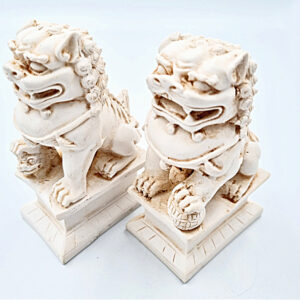
Despite their common English name, Fu Dogs aren't actually dogs.
They are representations of Chinese guardian lions and are traditionally associated with protection. Guardian lion statues have historically appeared at entrances to important buildings, temples, palaces and homes.
They're frequently displayed as a pair, which is reflected in several of the Fu Dog sets within the HIH collection.
If you're choosing them for traditional symbolism rather than purely for décor, learning about the orientation and symbolism of the particular pair can add much more meaning to the piece.
Pixiu & Traditional Wealth Symbolism
Pixiu is a mythical Chinese creature frequently depicted with dragon-like characteristics.
In contemporary Feng Shui practice, Pixiu has become particularly associated with wealth, good fortune and protection.
Like other Feng Shui symbols, these meanings belong to traditional and modern cultural interpretations rather than scientifically measurable effects.
Choose a Pixiu because its symbolism is meaningful to you or because you simply love the distinctive mythical creature.
Dragons & Dragon Tortoises
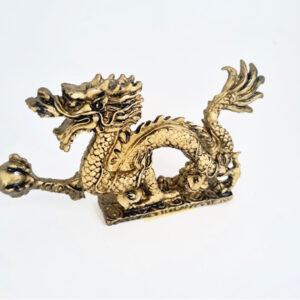
The Chinese dragon is one of the most important and recognisable symbols in Chinese culture.
Unlike the destructive dragons common in some Western traditions, Chinese dragons have historically been associated with concepts including power, strength, auspiciousness and authority.
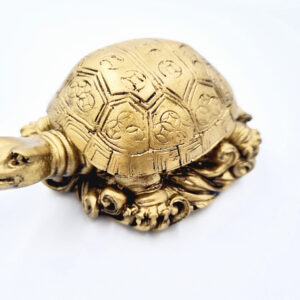
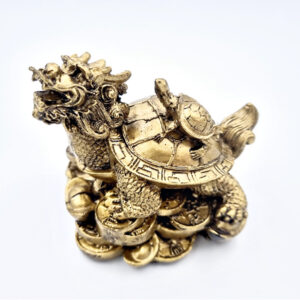
The Dragon Tortoise combines two symbolic creatures — the dragon and tortoise — and is commonly used within modern Feng Shui symbolism in connection with prosperity, longevity, stability and success.
HIH's collection includes both dragon figures and Dragon Tortoise designs.
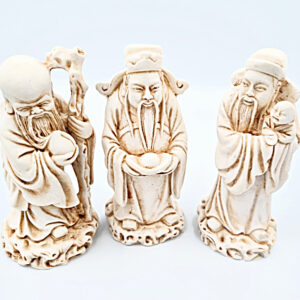
Fuk Luk Sau — The Three Star Gods
Fuk, Luk and Sau — also written Fu, Lu and Shou — are three traditional Chinese deities associated respectively with concepts of fortune, status or prosperity, and longevity.
They're commonly represented together as three figures and are sometimes called the Three Star Gods.
If you enjoy décor with traditional symbolism, understanding who the figures represent makes the piece considerably more meaningful than simply treating them as generic “wise men”.
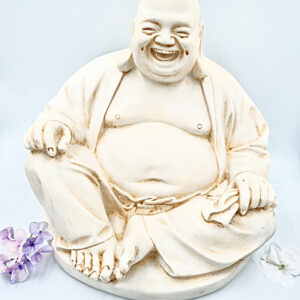
Laughing Buddha & Feng Shui
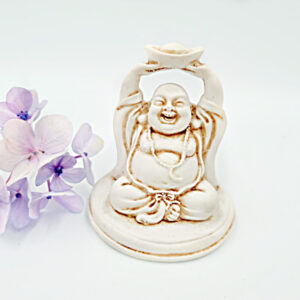
The figure popularly known as the Laughing Buddha is generally based on Budai, a figure from Chinese Buddhist tradition who became associated in popular culture with happiness, abundance and contentment.
He should not be confused with the historical Buddha, Siddhartha Gautama.
Laughing Buddha figures are frequently incorporated into modern Feng Shui décor and are commonly associated with ideas of happiness and abundance.
For a broader selection of Buddhist-inspired figures, explore our Buddha Statues collection.
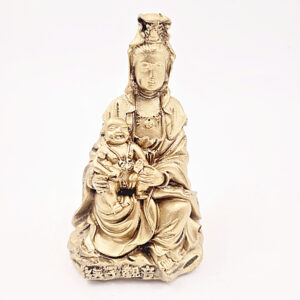
Quan Yin
Quan Yin, also written Guanyin, is an important bodhisattva associated with compassion within East Asian Buddhist traditions.
Although Quan Yin figures are sometimes incorporated into modern Feng Shui-inspired spaces, her significance extends well beyond Feng Shui décor.
If you're choosing a Quan Yin statue, it's worth recognising that religious and cultural context rather than treating the figure simply as another luck symbol.
Feng Shui, Crystals & Pyrite
Crystals also appear in contemporary Feng Shui and modern spiritual practices.
The current HIH Feng Shui collection includes Pyrite, a metallic-looking iron sulphide mineral often nicknamed “Fool's Gold” because of its brassy colour.
Within modern crystal traditions, Pyrite is commonly associated with prosperity, confidence and abundance. These are traditional metaphysical associations rather than scientifically established properties of the mineral.
For a wider selection of stones, explore our Crystal Names collection.
Where Should You Place Feng Shui Symbols?
Placement traditions vary according to the object, the Feng Shui system being followed and what the practitioner is trying to achieve.
That's why broad rules such as “always put a Money Frog here” or “every dragon must face this direction” can oversimplify a much more complex practice.
If you're following Feng Shui traditionally, research the specific symbol and school of practice rather than assuming every object has one universal placement rule.
If you're primarily choosing the piece as décor, consider entrances, shelves, desks and other areas where the design can be appreciated and positioned respectfully.
Choosing a Feng Shui Gift
Feng Shui pieces can make meaningful gifts, particularly when the symbolism matches the occasion.
Traditional associations may make certain designs appealing for:
- New homes
- New businesses
- Career milestones
- Weddings
- Birthdays
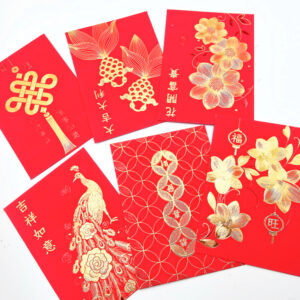
- Chinese New Year
- Someone beginning a new chapter
A lucky coin, Money Frog or symbolic figure can carry more meaning when the recipient understands why you've chosen it.
Caring for Feng Shui Statues & Ornaments
Care depends on the material and construction of the individual piece.
Dust statues and ornaments gently and avoid abrasive cleaning products that may damage painted, metallic or decorative finishes.
Hanging coins, tassels, bells and ornaments should be checked periodically to make sure cords and attachments remain secure.
For exact materials, dimensions and care considerations, always refer to the individual product information.
Frequently Asked Questions About Feng Shui
What does Feng Shui mean?
Feng Shui literally translates as “wind-water”. It is a traditional Chinese practice concerned with relationships between people, spaces and the surrounding environment, with different schools and systems developing over its long history.
What is a Money Frog?
The Money Frog, or Money Toad, is a popular symbol in modern Feng Shui commonly associated with wealth and prosperity. It is often depicted with Chinese coins.
What do Chinese Feng Shui coins symbolise?
Coin motifs are commonly associated with prosperity, wealth and good fortune in modern Feng Shui practice. They often reproduce the round shape and square central opening of historical Chinese cash coins.
What are Fu Dogs?
Fu Dogs are actually stylised Chinese guardian lions, not dogs. They are traditionally associated with protection and are frequently displayed as pairs.
What does Pixiu symbolise?
Pixiu is a mythical Chinese creature commonly associated in modern Feng Shui practice with wealth, good fortune and protection.
What is a Dragon Tortoise?
A Dragon Tortoise combines the imagery of the Chinese dragon and tortoise. In modern Feng Shui symbolism, it is commonly associated with ideas such as prosperity, longevity, stability and success.
Does Feng Shui guarantee wealth or good luck?
No. Feng Shui objects and symbols have traditional cultural and spiritual associations, but buying or positioning an ornament cannot guarantee wealth, health, luck or another specific outcome.
Are Laughing Buddha and Buddha the same?
Not exactly. The familiar Laughing Buddha figure is generally based on Budai, a figure from Chinese Buddhist tradition, and shouldn't be confused with Siddhartha Gautama, the historical Buddha.
Can I buy Feng Shui items just because I like them?
Absolutely. You don't need to practise Feng Shui to appreciate Chinese guardian lions, dragons, coin ornaments or other symbolic décor. Understanding their traditional meanings simply helps you choose and display culturally significant pieces more thoughtfully.