
Citrine
Warm, golden and wonderfully varied, Citrine belongs to the quartz family and ranges from soft yellow to richer honey and amber tones. Browse our changing collection of Citrine crystals, polished pieces, tumble stones, jewellery and distinctive specimens, prized for their sunny colour and traditionally associated with abundance, optimism, confidence and creativity.
Showing 1–25 of 32 resultsSorted by latest

Citrine Crystals, Gemstones & Jewellery
With colours reminiscent of sunshine, honey and warm amber, Citrine brings a completely different personality to the quartz family.
Hello Indigo Halo's changing collection ranges from small polished stones and jewellery to individually selected specimens and beautiful Congo Citrine freeforms. Whether you're drawn to Citrine for its colour, mineral interest, traditional symbolism or simply because you've found a piece you love, there are many ways to add it to a collection.
You can also browse our Crystal Names collection to discover Citrine alongside the wider HIH selection of gemstones and minerals.
What Is Citrine?
Citrine is a yellow to orange variety of quartz.
Its colour comes from iron-related colour centres within the quartz structure, with natural specimens occurring in shades ranging from pale yellow through golden tones to deeper orange-brown.
As a quartz variety, Citrine has a Mohs hardness of 7. This makes it suitable for many polished forms and jewellery designs, although individual pieces and settings should still be treated with sensible care.
One of the interesting things about Citrine is that the material sold under this name can have different origins and colour histories, which is worth understanding when building a collection.
Natural Citrine & Heat-Treated Amethyst
Not all Citrine-looking material develops its golden colour in exactly the same way.
Natural Citrine is relatively uncommon. Much of the commercial Citrine available worldwide is created by heat-treating Amethyst or Smoky Quartz, producing yellow, orange or reddish-brown colour.
Heat treatment doesn't make quartz fake — it changes the colour of genuine mineral material. However, natural Citrine and heat-treated material are not the same thing, and transparent product information is valuable when the distinction is known.
Natural Citrine is often paler or more smoky-yellow than the intensely orange material many people associate with Citrine, although colour alone isn't always enough to determine treatment confidently.
Congo Citrine
Some of the most distinctive Citrine pieces in the HIH collection come from the Democratic Republic of the Congo.
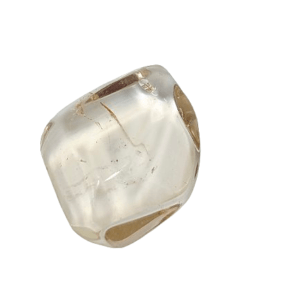
Congo Citrine can occur as natural crystal formations and beautiful individual specimens, with pieces varying considerably in colour, clarity, inclusions and shape.
Polished freeforms offer another way to appreciate this material, smoothing the exterior while retaining the individual character of each piece.
For customers who enjoy individually selected polished specimens rather than smaller mass-shaped pieces, our Selected Crystals – Polished collection is another useful place to browse unusual gemstones and one-off pieces.
Citrine Tumble Stones
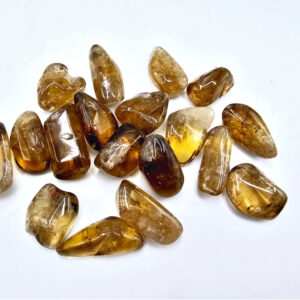
Tumble stones make Citrine accessible in a compact polished form.
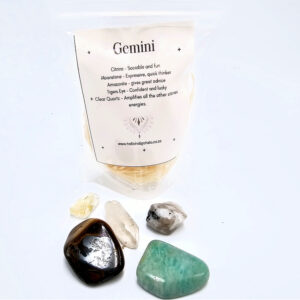
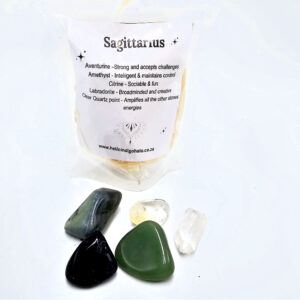
They're easy to add to a growing gemstone collection, carry in a pouch or pocket, include in a crystal display or give as a small gift. Mini tumble packs can also be useful when you want several smaller pieces rather than one larger specimen.
Explore our Tumbled Stones collection if you enjoy this smooth polished format and want to compare Citrine with a much wider variety of gemstones.
Citrine Jewellery
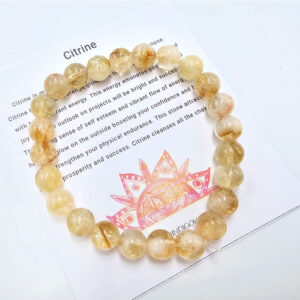
Golden and yellow stones work beautifully in jewellery because their warm colour can complement both understated and more decorative designs.
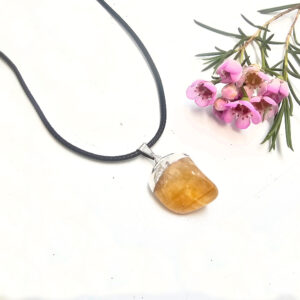
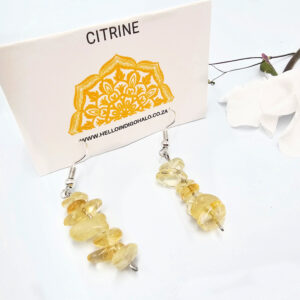
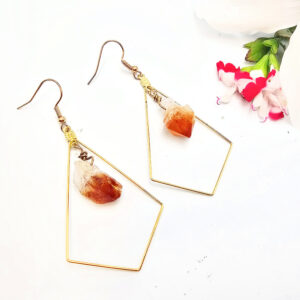
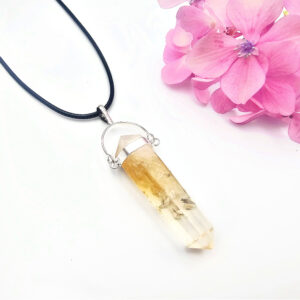
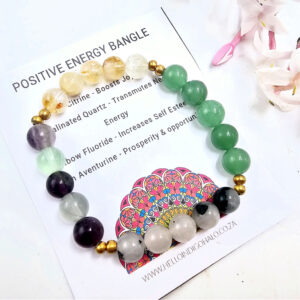
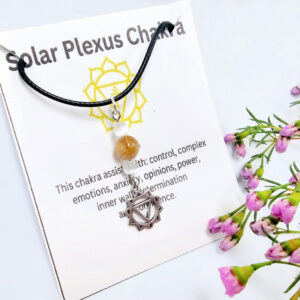
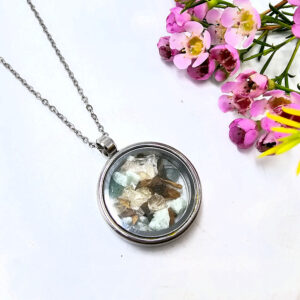
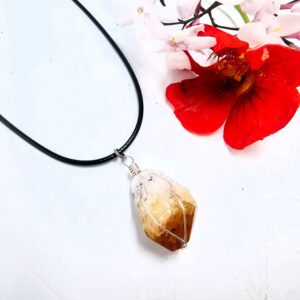
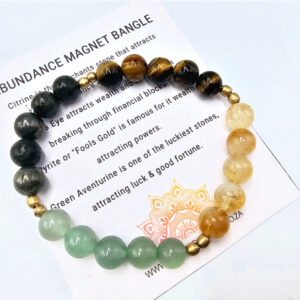
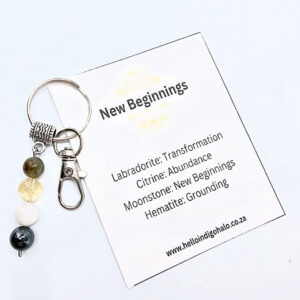
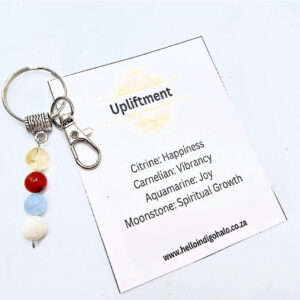
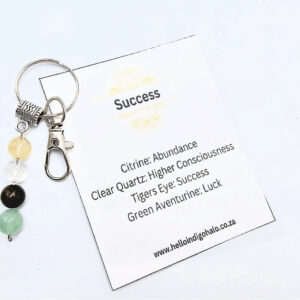
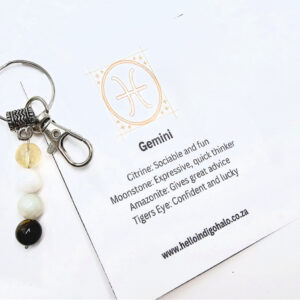
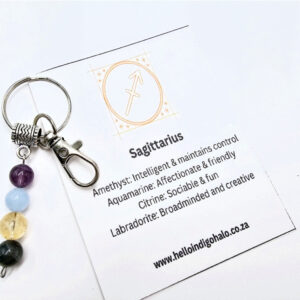
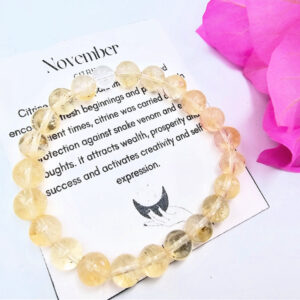
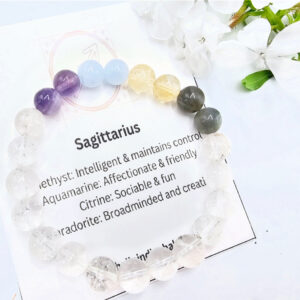
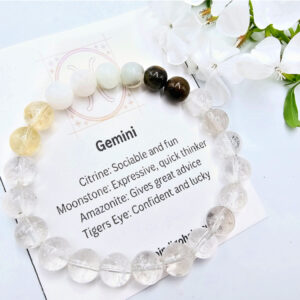
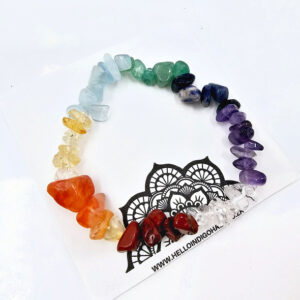
HIH's changing Citrine range can include necklaces, bangles and other gemstone jewellery, sometimes featuring Citrine alone and sometimes combining it with other stones.
When buying gemstone jewellery, check the individual listing for the materials, stone details, sizing and design rather than assuming every Citrine piece is constructed in the same way.
Citrine Meaning: Why Is It Called the Merchant's Stone?
Within modern crystal traditions, Citrine has become strongly associated with abundance, prosperity, optimism, confidence, motivation and creativity.
You may also encounter names such as the “Merchant's Stone” or “Success Stone”, particularly in contemporary crystal and Feng Shui-inspired practices centred around business, prosperity and abundance.
Some people keep Citrine in a workspace, carry a small stone, wear it as jewellery or incorporate it into personal intention-setting and spiritual practices.
These are traditional and metaphysical associations rather than scientifically established effects of the mineral.
Choosing a Citrine Piece
Rather than looking for one supposedly “best” Citrine, decide what matters most to you.
For a mineral specimen, pay attention to the crystal formation, colour, clarity and overall character.
For a polished display piece, consider its shape, pattern and how the colour appears from different angles.
For something small and tactile, a tumble stone is an easy option.
For everyday wear, Citrine jewellery allows the gemstone to become part of your personal style.
And if you're choosing according to traditional symbolism, simply select the piece that feels appropriate to the intention or occasion without assuming a larger, darker or more expensive stone is somehow more powerful.
Citrine, Amethyst & the Quartz Family
Citrine and Amethyst are both varieties of quartz, despite looking dramatically different.
Amethyst gets its familiar purple colour from colour centres involving iron and irradiation, while changes involving those colour centres can produce the yellow-to-orange colours associated with Citrine.
This relationship is also why heating certain Amethyst can transform its colour into material sold as Citrine.
If you enjoy seeing how dramatically one mineral family can vary, our Amethyst collection offers an interesting contrast in purple quartz, from natural clusters to polished pieces and jewellery.
Natural Variation in Citrine
Citrine isn't one standard golden colour.
Individual pieces can differ in tone, clarity, transparency, inclusions, internal features and crystal formation. Natural specimens can be particularly individual, while polished pieces may reveal features that were less obvious before shaping.
Photography and screen settings can also affect yellow and orange tones.
For one-off specimens, use the individual photographs and measurements as your guide. For products represented by example images, expect some variation unless the listing specifically states otherwise.
Caring for Citrine
Citrine is relatively durable, but sensible crystal and jewellery care will help keep it looking its best.
Avoid hard impacts, abrasive surfaces and harsh chemicals. Jewellery should be cared for according to its setting and other materials as well as the gemstone itself.
Prolonged exposure to strong light and excessive heat isn't recommended for maintaining quartz colour over the long term, so particularly valued specimens are better displayed away from sustained intense sunlight.
Frequently Asked Questions About Citrine
Is Citrine a type of quartz?
Yes. Citrine is the yellow-to-orange variety of quartz and shares the same basic mineral composition as other quartz varieties, including Amethyst.
Is all Citrine naturally yellow?
No. Natural Citrine exists, but a significant amount of commercial Citrine is produced by heat-treating Amethyst or Smoky Quartz. Heat-treated material is still genuine quartz, although its colour has been altered.
What is Congo Citrine?
Congo Citrine refers to Citrine material originating from the Democratic Republic of the Congo. It can occur in distinctive natural crystal formations and is collected for its colour, structure and individual mineral character.
Can Citrine be worn as jewellery?
Yes. With a Mohs hardness of 7, Citrine is suitable for many jewellery designs. The complete piece should still be cared for according to its setting, metal and construction.
Why are some Citrine crystals pale while others are dark orange?
Colour can vary because of the material's natural formation and, in some cases, treatment. Deep orange colour should not automatically be interpreted as better quality or stronger Citrine.
Is Citrine a November birthstone?
Yes. Citrine is one of the gemstones traditionally associated with November, alongside Topaz, making Citrine jewellery and small polished stones popular choices for November birthday gifts.