
Lapis Lazuli
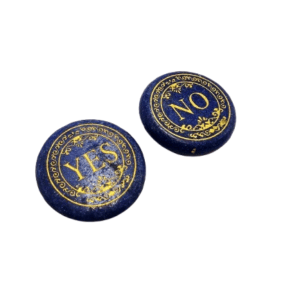
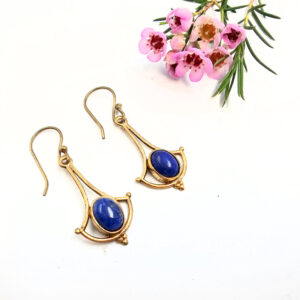
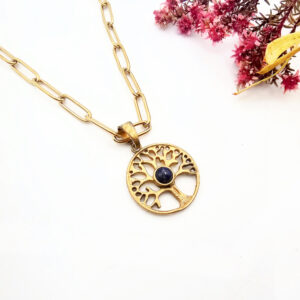
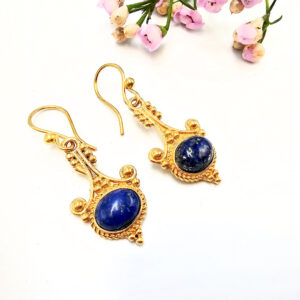
Discover Lapis Lazuli crystals and jewellery in the unmistakable deep blues that have made this natural stone treasured for thousands of years. From gemstone earrings, bangles and necklaces to other Lapis Lazuli treasures, look for rich blue colour, natural pale calcite markings and occasional golden-looking pyrite flecks that make every piece beautifully individual.
Showing 1–25 of 37 resultsSorted by latest

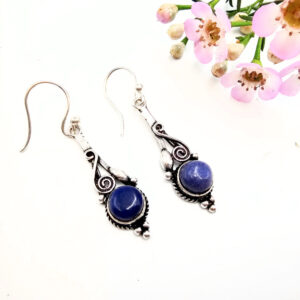
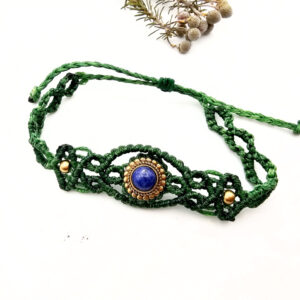
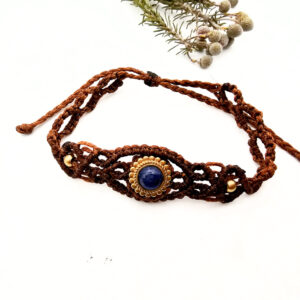
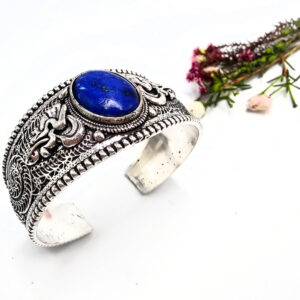
Lapis Lazuli: An Ancient Blue Treasure
Few stones have a blue quite like Lapis Lazuli.
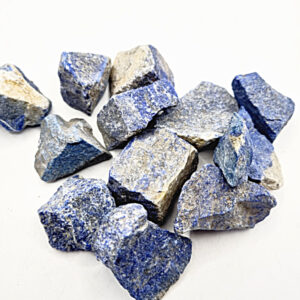
Rich cobalt, royal and midnight blues can be scattered with pale calcite or tiny metallic golden-looking flecks of pyrite, creating natural patterns that can make one piece look completely different from the next.
Lapis Lazuli has been treasured for thousands of years for jewellery, carvings, decorative objects and pigments, giving this extraordinary blue stone a history stretching far beyond modern crystal collecting.
What Is Lapis Lazuli?
One of the most interesting things about Lapis Lazuli is that it isn't actually a single mineral.
It is a rock composed of several minerals. Lazurite is primarily responsible for its celebrated blue colour, while natural Lapis Lazuli can also contain calcite, pyrite and other mineral components.
This mixture explains much of the variation you see between individual stones.
One piece might appear predominantly deep blue. Another may contain visible white or cream-coloured calcite. Others have tiny metallic flecks scattered across the blue surface.
Are the Golden Flecks in Lapis Lazuli Real Gold?
Those beautiful metallic golden-looking specks aren't normally gold.
They are typically pyrite, a naturally occurring mineral that can appear within Lapis Lazuli.
The amount varies considerably. Some stones show obvious sparkling flecks, while others contain very little visible pyrite.
Likewise, pale or white areas aren't necessarily imperfections. They can be naturally occurring calcite within the stone.
These variations are part of genuine Lapis Lazuli's natural character rather than something every piece needs to hide.
Lapis Lazuli Jewellery
That intense blue makes Lapis Lazuli particularly striking when used in jewellery.
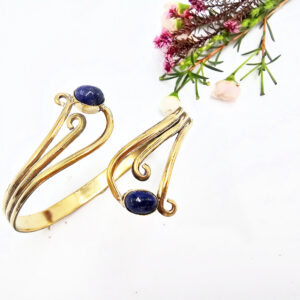
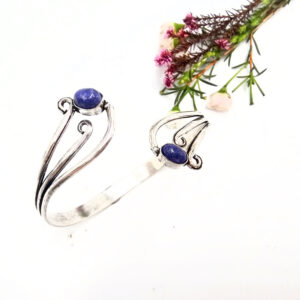
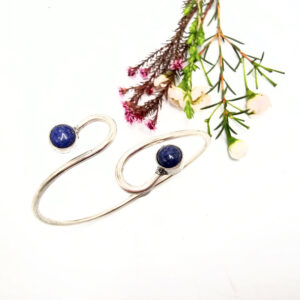
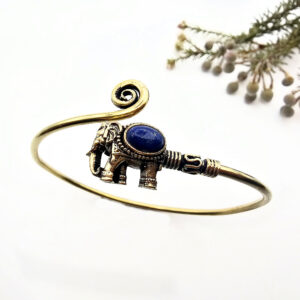
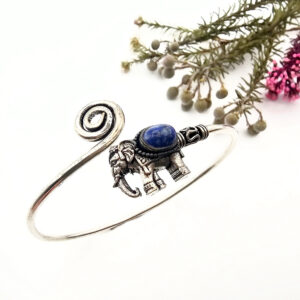
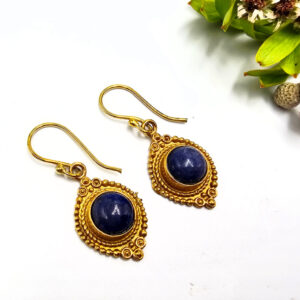
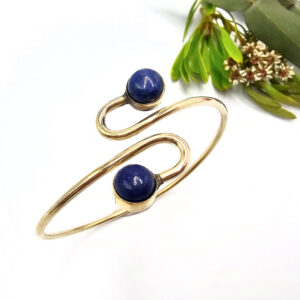
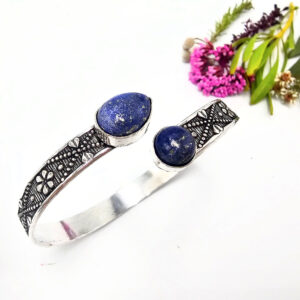
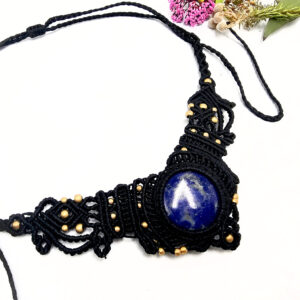
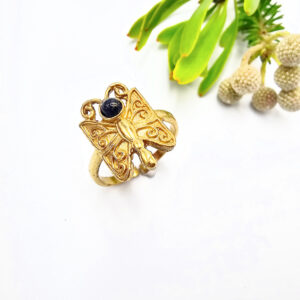
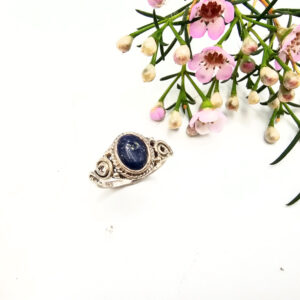
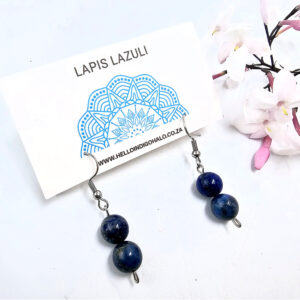
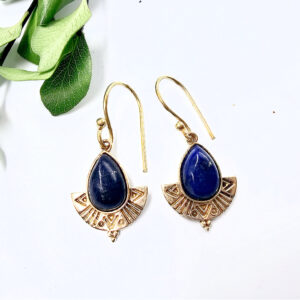
HIH's collection includes Lapis Lazuli earrings, bangles and necklaces in designs ranging from simple gemstone pieces to more ornate brass, silver-toned and macramé styles.
The stone works beautifully against warm brass, where its blue creates a rich contrast, but it can look equally dramatic beside cooler silver-toned metal.
Explore our Gem & Crystal Necklaces for more natural gemstones you can wear.
For wrist jewellery, browse Bangles & Bracelets to discover more gemstone and symbolic designs.
Choosing Your Lapis Lazuli
There's no single appearance that every piece of natural Lapis Lazuli needs to have.
Choose deeper blue pieces if rich colour is what first drew you to the stone.
Choose visible pyrite if you love those tiny golden-looking metallic details.
Choose more natural patterning if you enjoy seeing the contrasting minerals and markings within the stone.
Choose Lapis Lazuli jewellery if you want the blue to become part of something wearable.
Natural variation means colour distribution, markings, calcite, pyrite and overall pattern can differ between individual pieces.
Lapis Lazuli in Crystal Traditions
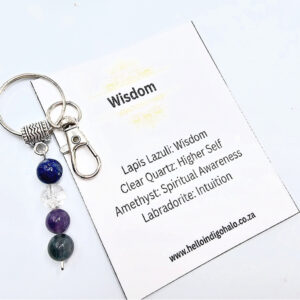
Within crystal traditions, Lapis Lazuli is commonly associated with wisdom, truth, intuition, self-expression, communication and inner awareness.
Its connection with truth and communication has also led to an association with the throat chakra in contemporary crystal practices, while its deep blue colour is sometimes connected with intuition and the third eye chakra.
Some people choose Lapis Lazuli for meditation or intention work around expressing themselves honestly, trusting their judgement or developing greater self-awareness.
These are traditional and contemporary metaphysical associations rather than established medical effects.
A Stone with Thousands of Years of History
Part of the fascination of Lapis Lazuli is that our attraction to its blue colour is anything but new.
The stone has been valued by ancient cultures for jewellery, amulets, carved objects and decorative work. Finely ground Lapis Lazuli was also historically used to create the prized blue pigment ultramarine.
That history makes Lapis Lazuli interesting even if metaphysical traditions aren't part of your crystal collection.
You can love it for the geology, the history, the colour — or simply because a brilliant blue stone scattered with tiny pyrite flecks is rather difficult to ignore.
Lapis Lazuli or Just a Blue Stone?
Colour alone isn't enough to identify a gemstone.
This is particularly important with jewellery, where blue glass, resin and other materials can sometimes resemble familiar gemstones.
At HIH, a product should only be classified under Lapis Lazuli when the material is genuinely identified as Lapis Lazuli. A decorative blue component shouldn't automatically be labelled as the stone simply because the colour looks similar.
If darker and unusual gemstone colours appeal to you, you may also enjoy exploring our Labradorite collection for an entirely different natural stone character.
Caring for Lapis Lazuli
Lapis Lazuli deserves reasonably gentle care.
Avoid harsh household chemicals, abrasive cleaners and unnecessarily rough handling. Jewellery is best kept away from perfume, lotions and excessive moisture where possible, particularly when the stone is set into brass, coated metal or other materials requiring their own care.
A soft cloth is usually sufficient for light surface cleaning.
Store jewellery and polished pieces carefully rather than allowing them to knock repeatedly against harder stones.
Frequently Asked Questions About Lapis Lazuli
What is Lapis Lazuli?
Lapis Lazuli is a naturally occurring rock made up of several minerals rather than one single mineral. Lazurite is primarily responsible for its distinctive blue colouring.
What causes the gold-looking flecks in Lapis Lazuli?
The metallic golden-looking flecks found in some natural Lapis Lazuli are typically pyrite rather than gold.
What are the white markings in Lapis Lazuli?
Pale or white areas can be naturally occurring calcite, one of the minerals commonly found within Lapis Lazuli.
What is Lapis Lazuli traditionally associated with?
Within crystal traditions, Lapis Lazuli is commonly associated with wisdom, truth, intuition, communication, self-expression and inner awareness.
Does all natural Lapis Lazuli look the same?
No. Natural Lapis Lazuli can vary considerably in shade of blue, colour distribution, calcite content, visible pyrite and overall pattern.
Can Lapis Lazuli be worn as jewellery?
Yes. Lapis Lazuli is widely used in earrings, necklaces, bangles, bracelets and other gemstone jewellery. Treat the stone and its jewellery setting with reasonable care.