
Lepidolite
Lilac, pink and purple tones combined with a softly pearly, mica-like shimmer give Lepidolite its distinctive character. The name is used for lithium-rich micas rather than one single mineral species, making its flaky structure as interesting as its colour. Within crystal traditions, Lepidolite is commonly associated with calm, reflection, transition, balance and emotional awareness.
Showing all 11 resultsSorted by latest


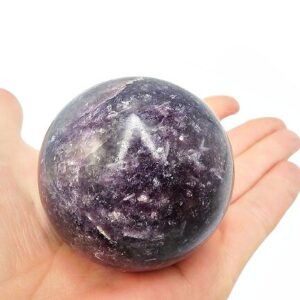
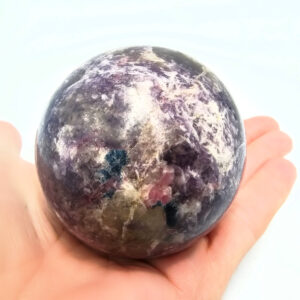
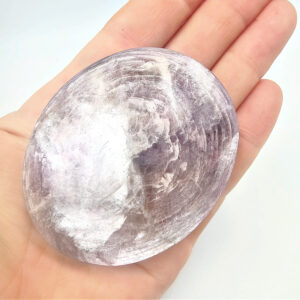
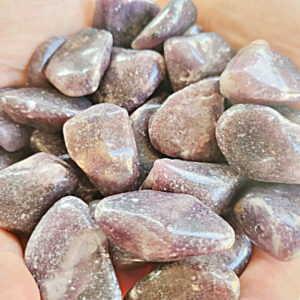
A Purple Stone With a Mica-Like Shimmer
Lepidolite can be recognised by more than its lilac and purple colouring.
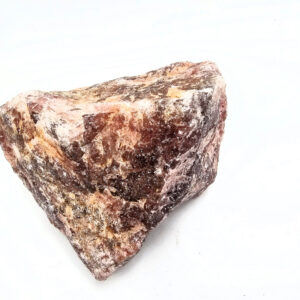
Look closely and the material can reveal a flaky, layered or softly shimmering character that reflects its place within the mica family.
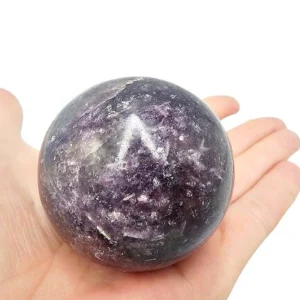
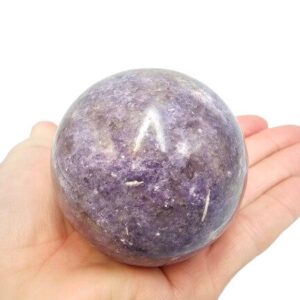
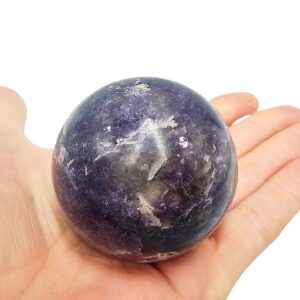
Its colour may range through lilac, pink, violet, greyish and paler tones, while individual pieces can vary considerably in texture and appearance.
That combination of colour and structure gives Lepidolite an identity very different from purple Quartz varieties such as Amethyst.
What Is Lepidolite?
Lepidolite is a familiar mineral and gemstone trade name used for lithium-rich mica material.
There is an important technical detail here.
Modern mineral classification does not treat Lepidolite simply as one individual mineral species with one fixed chemical formula.
Instead, the name is used for lithium-rich micas associated particularly with the Lepidolite Group and the polylithionite–trilithionite series.
For a crystal shop, there is no reason to abandon the familiar name.
Lepidolite remains the useful customer-facing and SEO term.
The more accurate description is simply:
a lithium-rich mica material commonly known as Lepidolite.
Why Does Lepidolite Look Flaky?
Micas have a layered crystal structure and characteristically split along their sheets.
That helps explain the thin, flaky, platy and sometimes glittering appearance seen in Lepidolite material.
Depending on how a piece has formed or been cut, this texture may be extremely obvious or much subtler.
Rough material can reveal sparkling mica-like plates, while polished pieces may show the colour and shimmer in a smoother form.
This natural structure is part of Lepidolite's character rather than an imperfection.
Where Does the Name Lepidolite Come From?
Even the name points towards its appearance.
“Lepidolite” was derived from Greek words relating to scale and stone, referring to the mineral's scale-like or flaky character.
That makes the name particularly appropriate once you see natural Lepidolite with its layered mica texture.
Is Lepidolite Always Purple?
No.
Lilac, pink and violet are strongly associated with Lepidolite, but colour alone should never be used as a complete mineral identification.
Lepidolite material can vary in shade and may also appear much paler or show greyish and other tones.
The familiar pink-to-purple colouring of lithium-rich mica material is commonly associated with manganese.
Natural variation means one piece may be softly lavender while another is much richer in colour.
Lepidolite Versus Amethyst
Both can be purple, but that is where the similarity ends.
Amethyst is a variety of Quartz.
Lepidolite is lithium-rich mica material.
Their structures, textures and mineral identities are completely different.
Amethyst commonly has a glassier appearance and Quartz hardness, while Lepidolite can reveal the pearly, flaky or layered character associated with mica.
They should therefore remain completely separate Crystal Name categories.
Choosing Lepidolite
Look at the characteristics of the individual piece rather than expecting one standard shade.
Consider:
Colour — soft lilac, pinkish, violet or mixed tones.
Texture — obvious mica flakes or a smoother polished appearance.
Lustre — pearly, softly reflective or more subdued areas.
Pattern — colour may be uniform, mottled or mixed with other visible mineral material.
Natural structure — rough Lepidolite can show delicate layers and irregular surfaces.
If a specimen contains other minerals, those associations can add visual interest, but they should only be named when genuinely identified.
Lepidolite in Crystal Traditions
Within crystal traditions, Lepidolite is commonly associated with calm, reflection, emotional balance, transition and adapting to change.
Its lilac and violet colouring has also led to symbolic associations with the Third Eye and Crown Chakras in many modern metaphysical practices.
These are spiritual traditions rather than scientifically demonstrated effects of lithium-rich mica.
The fact that Lepidolite contains lithium should also not be used to claim that holding or wearing the stone produces the medical effects of lithium medication.
Mineral composition and medical treatment are entirely different subjects.
Caring for Lepidolite
Lepidolite deserves gentler treatment than harder stones such as Quartz.
Mica minerals can be relatively soft and their layered structure can make exposed material vulnerable to scratching, flaking and damage along natural cleavage.
Avoid abrasive cleaning, hard knocks and repeatedly storing delicate Lepidolite against harder minerals.
A soft, dry cloth or very gentle dusting is preferable for many pieces.
Extra care is especially useful with rough specimens where thin mica layers or exposed edges are visible.
Frequently Asked Questions
What is Lepidolite?
Lepidolite is a familiar name used for lithium-rich mica material associated with the Lepidolite Group, particularly micas around the polylithionite–trilithionite series.
Is Lepidolite a single mineral species?
Not in modern mineralogical usage. Lepidolite is better understood as a field name for a group of closely related lithium-rich micas rather than one mineral with one universal formula.
Why is Lepidolite usually purple?
Pink, lilac and purple colours are common in Lepidolite material and are generally associated with manganese, although the material can occur in other shades too.
Is Lepidolite the same as Amethyst?
No. Amethyst is purple Quartz, while Lepidolite is lithium-rich mica material. Their mineral composition, structure and physical characteristics are different.
What is Lepidolite traditionally associated with?
Within crystal traditions, Lepidolite is commonly associated with calm, emotional balance, reflection, transition and adapting to change.