
Crystal Names
Showing 76–100 of 1248 resultsSorted by latest
Start With the Name
Sometimes you know exactly what you're looking for.
Amethyst. Moldavite. Labradorite. Carnelian. Black Tourmaline.
Other times you remember something less helpful: that green stone with the patterns, the crystal that flashes blue, or the orange one I saw last time.
Our Crystal Names collection is the A–Z directory for both kinds of crystal hunting. It brings together individual stone and mineral categories so you can move from a name to the pieces currently available in that material.
You may find rough specimens, polished stones, jewellery, spheres, carvings, points, pendulums and other forms within an individual crystal category, depending on the current HIH range.
One Name Can Lead to Many Different Forms
A crystal name tells you what you're looking at.
Its shape tells you what has been done with it — or how it naturally formed.
Take Clear Quartz as an example. The same mineral can appear as a natural rough point, a cluster, a polished sphere, a tumble stone or part of a necklace. Those objects look and feel very different, but Clear Quartz remains the common thread.
That's why HIH separates browsing by name from browsing by form.
If you care more about finding a sphere, tower, cluster, heart or tumble than choosing a particular mineral first, use our Crystal Shapes collection instead.
Crystal Names Can Hide Family Connections
An alphabetical crystal list can make every name look completely separate, but mineral relationships are much messier — and more interesting — than that.
Amethyst and Citrine are both varieties of quartz.
So is Clear Quartz, while Smoky Quartz gets its characteristic smoky colouring through changes within the quartz crystal structure.
Agate is closely connected with chalcedony and appears under numerous descriptive and trade names based on colour, pattern or locality.
Obsidian is different again. Despite being sold and collected alongside crystals, it is actually volcanic glass rather than a crystalline mineral.
Then there are names such as Lapis Lazuli, which refers to a rock composed of several minerals rather than a single mineral species.
So “crystal names” is an extremely useful shopping language, but it doesn't mean everything in the directory belongs to the same geological category.
That's part of the fun of learning them.
Colour Is a Clue, Not an Identification
It's tempting to identify crystals by colour alone.
Purple? Amethyst.
Pink? Rose Quartz.
Black? Black Tourmaline.
Sometimes that works beautifully. Sometimes it really doesn't.
HIH's directory includes multiple blue stones, green stones, black stones, pink stones and almost colourless minerals. Even a single crystal variety can change considerably from specimen to specimen.
Natural inclusions, associated minerals, transparency, trace elements, formation and treatment can all influence appearance.
That means two stones with almost identical colour can be completely different materials, while two genuine pieces of the same material may look surprisingly unlike one another.
Use colour to narrow the possibilities, then look at pattern, transparency, lustre, texture and the product identification.
Rough, Polished or Somewhere in Between?
Finding the crystal name is only the first decision.
A rough piece leaves more of the mineral's natural texture and formation visible.
Tumbling smooths smaller pieces into rounded stones that are easy to hold, carry, collect and combine.
Polishing a larger piece can reveal colours, bands, inclusions and optical effects that were much harder to see on the rough surface.
Then there are spheres, towers, carvings, hearts, jewellery and naturally formed specimens.
None is automatically a “better” version of the crystal. They simply reveal different things about it.
If small smooth stones are what you're after, head directly to our Tumbled Stones collection.
Choosing a Crystal by Meaning
Not everyone starts with geology.
Within crystal and metaphysical traditions, different stones have developed associations with ideas such as protection, grounding, confidence, love, communication, intuition, abundance and calm.
That can be another useful way into a very large crystal collection.
You might be drawn to Black Tourmaline for its traditional association with grounding and protection, Rose Quartz for love and emotional gentleness, Carnelian for confidence and creativity, or Sodalite for communication and clear thinking.
These are traditional and modern metaphysical associations rather than medical promises, and the individual Crystal Names pages can explore each stone's character in more depth.
If you're choosing several stones around a particular intention rather than searching for one specific mineral, our Crystal Combos & Packs offer another way to begin.
Sometimes the Interesting Ones Are the Names You Don't Know
Amethyst and Rose Quartz may need very little introduction.
But an A–Z crystal directory becomes particularly useful when you keep scrolling.
Aegirine. Auralite 23. Charoite. Dioptase. Libyan Desert Glass. Phosphosiderite. Prophecy Stone. Vivianite. Ulexite.
This is where browsing by name becomes discovery rather than simply navigation.
If something unfamiliar catches your eye, open the individual category and look at the actual material before worrying about whether you “need” it.
Sometimes the pattern, formation or colour is enough reason to learn a new crystal name.
Crystals Don't Always Follow Neat Naming Rules
Crystal terminology includes formal mineral names, mineral varieties, rocks, trade names and descriptive names.
That's why you may encounter names that sound closely related but shouldn't automatically be treated as identical.
Moonstone, Peach Moonstone and Black Moonstone, for example, need more nuance than simply assuming colour is the only difference.
Tigers Eye, Blue Tigers Eye and Red Tigers Eye are related names, but appearance and treatment can differ.
And Selenite is a particularly useful reminder that retail crystal terminology and strict mineralogical terminology don't always line up perfectly; many fibrous white pieces commonly sold as Selenite are more specifically the Satin Spar variety of gypsum.
Our individual crystal pages are where those distinctions can be explained properly without turning this directory into an encyclopaedia.
Crystals You Can Wear
Choosing by crystal name doesn't limit you to loose stones.
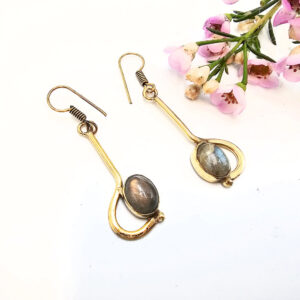
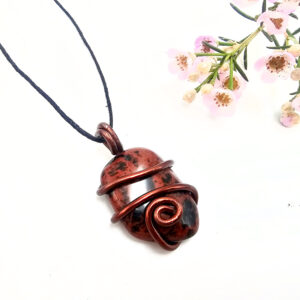
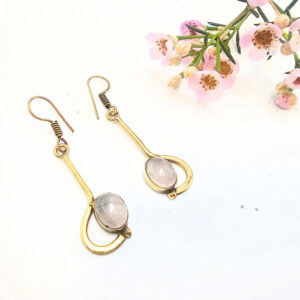
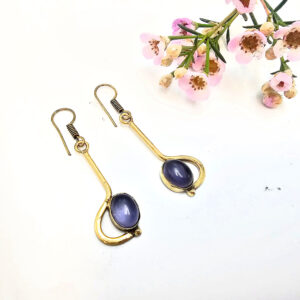
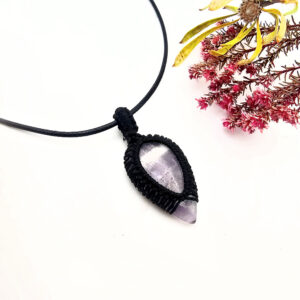
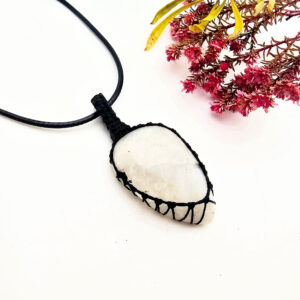
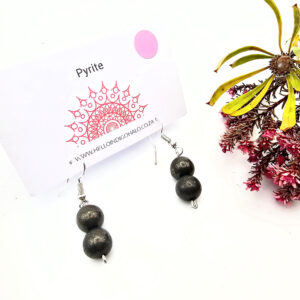
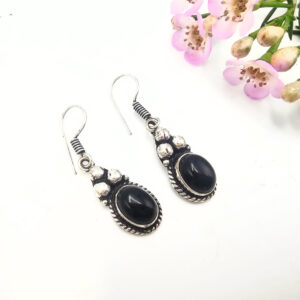
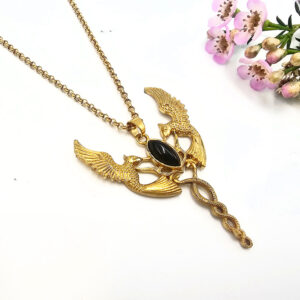
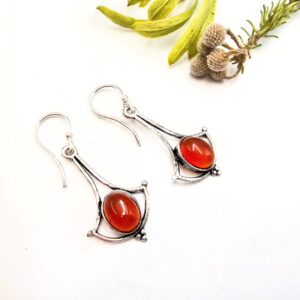
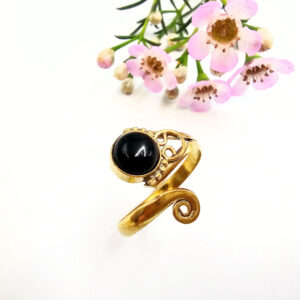
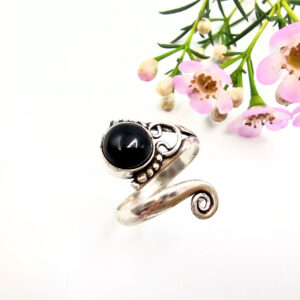
Many HIH crystal categories also contain necklaces, bangles, earrings, rings and other jewellery made with that particular stone.
This is useful when you already know the material you want and would rather see every available form of it together than browse jewellery by type.
If jewellery is your starting point instead, our Jewellery collection lets you approach the same world from the opposite direction.
Frequently Asked Questions
What's the easiest way to find a specific crystal?
Use the alphabetical Crystal Names list and select the individual stone. That category will bring together the HIH products currently assigned to that crystal, including different shapes and jewellery where available.
Are gemstones and crystals the same thing?
The terms overlap in everyday retail language but aren't technically identical. “Gemstone” generally describes material valued for ornamental or jewellery use, while “crystal” may refer to crystalline material or be used more broadly within crystal collecting. Some materials sold alongside crystals, such as Obsidian, aren't crystalline at all.
Why do some crystal names sound almost the same?
Some are varieties of the same mineral or mineral family, while others are descriptive or trade names based on colour, pattern, locality or appearance. Similar names don't necessarily mean two stones are identical.
Can I browse HIH crystals by shape instead of name?
Yes. Crystal Names is designed for choosing the material first. If you'd rather begin with the form — such as tumble stones, spheres, towers or clusters — use the Crystal Shapes collection instead.