
Serpentine
With earthy greens, yellow-green tones and naturally mottled patterns, Serpentine has an unmistakably organic appearance. Rather than one single mineral, Serpentine describes a group of closely related minerals found in serpentinite rocks. In crystal traditions, it is associated with renewal, grounding, nature and the awakening energy of Kundalini.
Showing all 3 resultsSorted by latest
Serpentine: The Green Stone Named After a Snake
The name Serpentine gives away one of the stone's most distinctive features.
Its greens, yellow-greens, mottling and winding natural patterns reminded early mineralogists of the skin of a serpent.
The name comes from the Latin serpens, meaning snake.
But Serpentine has another surprise: it isn't simply one mineral.
It is the name given to a group of closely related minerals, which is why pieces sold as Serpentine can vary considerably in colour, texture and appearance.
Explore more stones and minerals in our Crystal Names collection.
What Is Serpentine?
The Serpentine group consists of magnesium-rich silicate minerals that form through geological alteration of other magnesium-rich rocks and minerals.
Three of the best-known members are Lizardite, Antigorite and Chrysotile.
They have closely related chemistry but different crystal structures and habits.
Lizardite is particularly abundant, Antigorite commonly forms under higher-temperature conditions, while Chrysotile is known for its fibrous crystal habit.
Unless a particular specimen has been mineralogically identified, it's better to call jewellery and polished material simply Serpentine rather than guessing which specific member of the group it contains.
Serpentine & Serpentinite: What's the Difference?
The names sound almost identical, but they don't mean exactly the same thing.
Serpentine refers to the mineral group.
Serpentinite is a rock composed predominantly of Serpentine-group minerals.
This distinction is useful because material carved, polished or used in jewellery may be broadly sold as Serpentine even when its exact mineral composition hasn't been individually analysed.
Serpentinite itself forms through a geological process known as serpentinisation, where certain rocks rich in magnesium and iron are altered through interaction with water.
The result can produce the distinctive green Serpentine minerals for which the rock is named.
Why Is Serpentine Green?
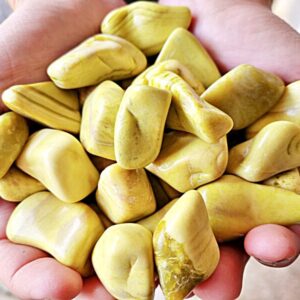
Serpentine is most familiar in shades of green, olive, yellow-green and darker green, although individual members of the mineral group can occur in other tones too.
Natural pieces may be mottled, veined, cloudy or unevenly coloured.
This variation is part of Serpentine's appeal.
Some pieces have soft yellow-green colouring, while others look much darker and earthier.
Polishing can reveal patterns that are easy to miss on a rough surface, making the stone particularly attractive for pendants, beads and carvings.
Is Serpentine the Same as Jade?
No.
This is an important distinction because some attractive green Serpentine has historically been sold under jade-related trade names.
Names such as New Jade have been used for certain Serpentine materials, while other geographic “jade” names have also appeared in the gem trade.
True Jade, however, refers principally to Jadeite and Nephrite.
Serpentine belongs to a completely different mineral group.
That doesn't make Serpentine an imitation or an inferior stone. It simply means it should be appreciated and sold under its correct identity rather than being mistaken for Jade.
If you're specifically looking for true Jade, explore our Green Jade collection.
Did You Know? One Serpentine Mineral Is Chrysotile
This is an unusual but important mineralogical fact.
Chrysotile belongs to the Serpentine group and is the mineral that historically made up most commercially mined asbestos.
That does not mean every polished Serpentine stone or Serpentine necklace should simply be labelled “asbestos”.
Serpentine is a mineral group containing several members, and Chrysotile is distinguished by its fibrous habit.
For ordinary polished Serpentine jewellery, sensible handling is appropriate. As with mineral materials generally, avoid deliberately grinding, drilling or creating dust from unidentified stone at home.
Serpentine Jewellery
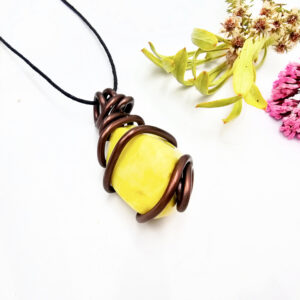
Serpentine's natural greens work particularly well in simple jewellery where the stone remains the focal point.
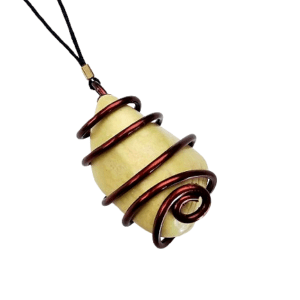
Wire wrapping is a good example.
Warm copper brings out the yellow and earthy tones in Serpentine, while lighter metal creates a different contrast against the green stone.
Because natural Serpentine can vary in colour, pattern, shape and surface character, individual pendants won't necessarily look perfectly identical.
That's part of wearing natural stone rather than manufactured material.
Browse more wearable stones through our Gem & Crystal Necklaces collection.
Serpentine Meaning
Within contemporary crystal traditions, Serpentine is associated with renewal, grounding, emotional balance and connection with the natural world.
Its green colouring has also led to strong associations with growth and the Heart Chakra.
Serpentine has an especially interesting place in modern Kundalini traditions.
Because of the stone's serpent name and appearance, it is often associated symbolically with Kundalini energy, traditionally represented as a coiled serpent at the base of the spine.
For this reason, Serpentine is frequently chosen around intentions involving personal growth, awakening and transformation.
These are spiritual and metaphysical traditions rather than scientifically established effects.
Serpentine & the Chakras
Green Serpentine is commonly connected with the Heart Chakra, particularly around themes of growth, openness and emotional renewal.
Its connection with Kundalini traditions can also give it a broader role across Chakra practices, beginning with the Root and the symbolic upward movement of energy.
The association between Serpentine and Kundalini is especially memorable because both use the imagery of the serpent.
Explore more stones and spiritual tools in our Chakra Balance collection.
Choosing Serpentine
Don't expect all Serpentine to look alike.
Because the name covers a mineral group and natural material can contain different patterns and associated minerals, pieces can vary considerably.
Look for the colour and pattern you enjoy rather than trying to find one supposedly “perfect” shade.
Some people prefer bright yellow-green material, while others are drawn to deeper olive and forest tones.
In jewellery, also consider the metal surrounding the stone. Copper can make earthy greens feel warmer, while silver-toned or aluminium wire creates a lighter contrast.
Caring for Serpentine
Serpentine minerals are generally softer than Quartz, so they deserve gentler treatment.
Avoid abrasive cleaning, harsh household chemicals and hard knocks.
For jewellery, a soft dry or slightly damp cloth is usually sufficient for routine cleaning.
Keep perfume, lotions and hairspray away from the stone and metal components where possible, and store Serpentine jewellery separately from harder gemstones that could scratch it.
Because Serpentine-group material can vary in exact composition, avoid grinding, sanding or drilling unidentified pieces without appropriate mineral-handling knowledge.
Frequently Asked Questions About Serpentine
Is Serpentine one mineral?
No. Serpentine is a mineral group containing several closely related minerals, including Lizardite, Antigorite and Chrysotile.
Is Serpentine the same as Jade?
No. Some Serpentine has been sold under jade-related trade names such as New Jade, but true Jade refers principally to Jadeite and Nephrite.
Why is it called Serpentine?
The name comes from the Latin serpens, meaning snake, referring to the green, mottled appearance of some material that resembles serpent skin.
What is the difference between Serpentine and Serpentinite?
Serpentine refers to a group of minerals, while Serpentinite is a rock composed predominantly of Serpentine-group minerals.
Does Serpentine vary in colour?
Yes. Serpentine can range through yellow-green, olive and deeper green tones, with natural mottling, veining and other variations depending on the material.