
Shungite
Ancient, black and unusually carbon-rich, Shungite is best known from Karelia in north-western Russia, where remarkable deposits occur around Lake Onega. Explore polished stones, rough and Elite Shungite, jewellery, pendulums and other pieces, with textures ranging from earthy matte black to more lustrous, metallic-looking surfaces.
Showing all 24 resultsSorted by latest
-

-
-
-
-
-
-
-
-
-
-
-
-
-
-
-
Shungite Tumble Stones
Original price was: R55.00.R45.00Current price is: R45.00. Add to basketQuick View -
-
-
-
-
-
-
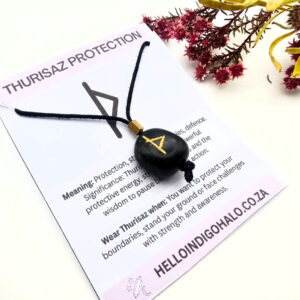
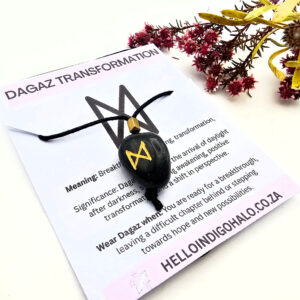
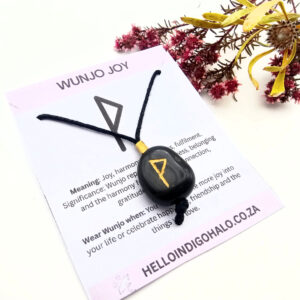
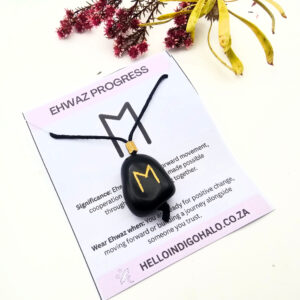
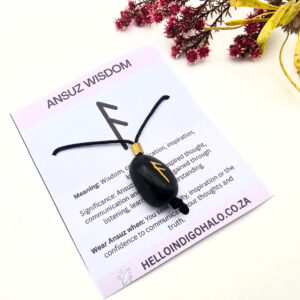
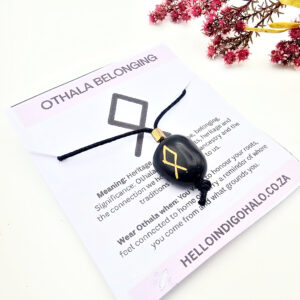
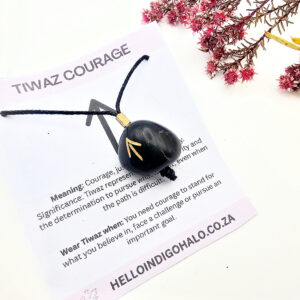
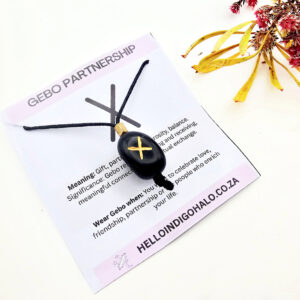
Shungite Is Not Your Typical Black Stone
At first glance, Shungite can resemble several other dark materials. Look closer and the differences begin to appear.
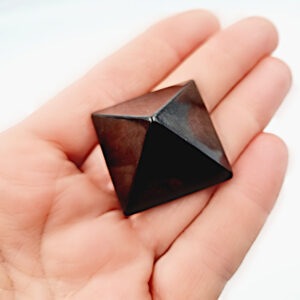
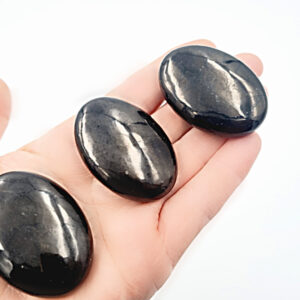
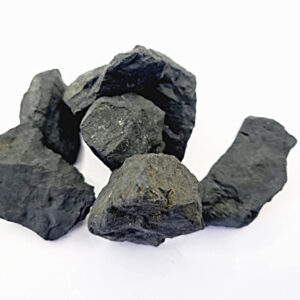
Some pieces are matte, charcoal-black and earthy. Others are smoother and more polished. Highly carbon-rich material sold as Elite or Noble Shungite can look considerably more lustrous, sometimes with an almost metallic quality.
That variation reflects an unusual geological material rather than a single perfectly uniform gemstone.
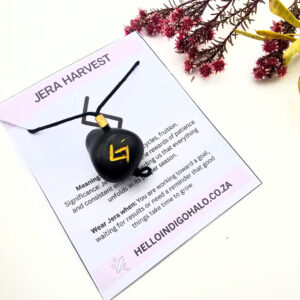
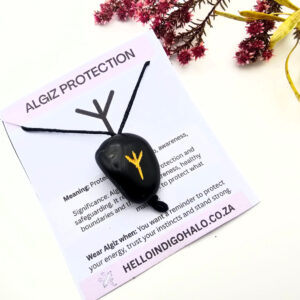
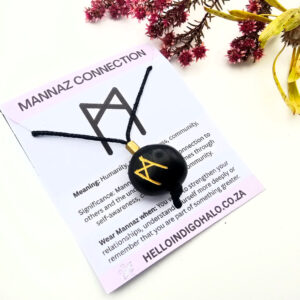
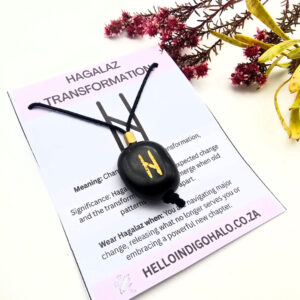
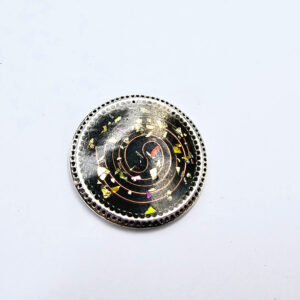
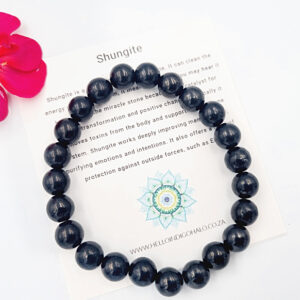
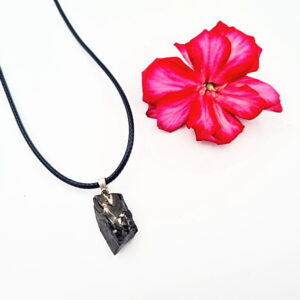
Hello Indigo Halo's Shungite collection includes rough pieces, tumble stones, jewellery, bangles, a sphere, palm stone and pendulum, together with pieces identified as Noble or Elite Shungite.
If you'd like to compare Shungite with the wider variety of minerals and stones we stock, browse our Crystal Names collection.
A Carbon-Rich Material with a Very Old Story
Shungite is a carbon-rich material associated particularly with ancient rocks in Karelia, north-western Russia, including the Lake Onega region.
Scientific studies of Karelian Shungite describe carbon-rich rocks dating to roughly two billion years ago. Rather than being a conventional mineral with one simple chemical formula, Shungite occurs within a diverse group of ancient carbon-bearing rocks whose carbon content and appearance can vary considerably.
Researchers have studied its geological origin and unusual poorly crystalline carbon structure for decades, and aspects of its formation have been the subject of continuing scientific discussion.
This complexity is one of the reasons Shungite is so different from familiar crystalline minerals such as Quartz.
Why Karelia Matters
The name Shungite comes from the Karelian village of Shunga.
The wider Lake Onega region contains enormous ancient carbon-rich geological formations, and Karelia is the locality most closely associated with the material in mineralogical and geological literature.
That doesn't mean every unidentified black carbon-rich stone should automatically be called Shungite. Provenance matters, particularly for collectors interested in the geological material rather than simply its appearance.
For individual HIH pieces, use the origin and material information supplied in the specific product listing where available rather than assuming every item has identical composition.
Regular Shungite vs Elite or Noble Shungite
You'll notice several HIH products described as Elite Shungite or Noble Elite Shungite.
These terms are commonly used commercially for relatively rare, lustrous Shungite material with a high carbon content. It can look noticeably different from more common Shungite-bearing rock, often appearing shinier and more metallic.
However, “Elite” is not a universal gemstone grading system comparable to a formally standardised precious-stone grade.
Appearance, carbon content and terminology can differ between sources, so the product photographs and supplied material description should guide your choice.
The HIH collection currently includes both ordinary Shungite pieces and products specifically supplied to us as Noble or Elite Shungite, allowing customers to compare the different appearances.
From Rough Pieces to Polished Stones
Shungite changes character considerably depending on how it is finished.
A rough piece emphasises the irregular texture and natural character of the material.
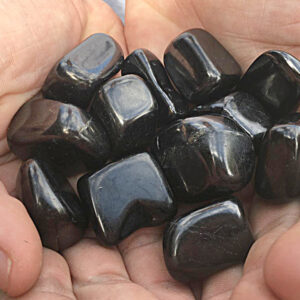
Polishing produces a smoother surface and often deepens its black appearance, making tumble stones, palm stones and spheres feel visually quite different from rough specimens.
Our Tumbled Stones collection is a useful next stop if you enjoy small polished stones and want to compare Shungite with other materials in the same easy-to-collect format.
There's no reason a polished piece should automatically be considered more desirable than a rough one. They simply present the material differently.
Wearing Shungite
HIH's collection also brings Shungite into jewellery.
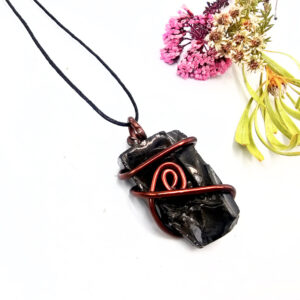
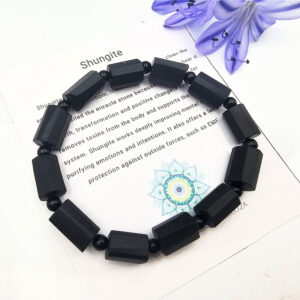
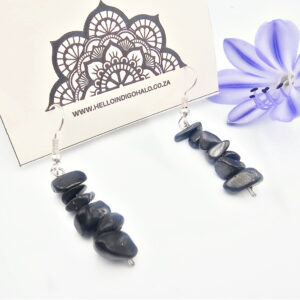
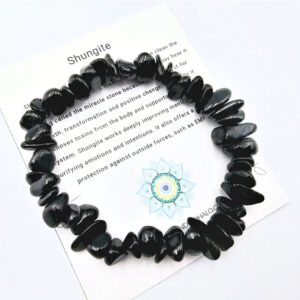
Current pieces include stone-chip earrings and bangles, tube bracelets, mini bottle necklaces and wire-wrapped pendants, including both standard and Elite Shungite designs. The dark neutral colour works particularly well with copper and black cord, producing jewellery that can feel earthy rather than highly polished or formal.
For more jewellery built around natural stones, browse our Gem & Crystal Necklaces collection.
Because jewellery construction varies, always check the individual listing for its metal, cord, sizing and care requirements rather than treating all Shungite jewellery the same way.
Shungite & EMF Protection
Within modern metaphysical and crystal traditions, Shungite is strongly associated with protection, grounding and energetic shielding, particularly in environments filled with phones, computers, Wi-Fi and other electronic devices.
Because of this, many people choose to keep Shungite near their workspace, beside electronic equipment, carry a small piece with them or wear it as jewellery as part of a personal intention for energetic protection and balance.
Shungite's naturally carbon-rich composition has also contributed to the interest surrounding it, adding another layer to its reputation as a distinctive protective stone.
For those drawn to crystal practices, Shungite is often chosen when creating a more grounded, protected-feeling space or when looking for a stone traditionally linked with clearing unwanted or heavy energy.
Choosing Between the Different Shungite Pieces
With Shungite, appearance and format can tell you more than a long list of supposed “properties”.
Choose rough Shungite if you want the material in a more natural-looking state.
Choose Elite or Noble Shungite if the lustrous, high-carbon material particularly interests you.
Choose a tumble, sphere or palm stone for a smoother tactile piece.
Choose jewellery if you'd rather wear it.
Choose a pendulum if you're specifically looking for a tool for a personal divination or spiritual practice.
Whichever form you prefer, look at the actual photographs, dimensions and material description rather than expecting every black Shungite piece to look alike.
Frequently Asked Questions
Is Shungite actually a crystal?
Not in the usual mineralogical sense. Shungite is a carbon-rich geological material rather than a conventional crystalline mineral with one fixed chemical formula. It is nevertheless commonly sold alongside crystals and gemstones.
Why can Shungite leave black marks or dust?
Some rough or less highly polished Shungite may release a small amount of dark carbonaceous residue, particularly when new or handled repeatedly. This can vary according to the particular material and finish.
Does shiny Shungite automatically mean it is Elite Shungite?
Not necessarily. Surface appearance alone isn't a reliable grading system. “Elite” or “Noble” should refer to how the supplied material has been identified rather than simply assuming every shiny black piece belongs to that category.
How should Shungite jewellery be cared for?
Follow the requirements of the complete piece. Keep wire, cord and metal components away from harsh chemicals and excessive moisture, avoid hard impacts, and store jewellery so that rough stone surfaces cannot scratch other pieces.
Can every black stone be identified as Shungite by sight?
No. Several natural and manufactured materials can appear black, so colour alone isn't enough for reliable identification. Provenance, material characteristics and supplier information are more useful than appearance alone.