
Tigers Eye
Showing 51–71 of 71 resultsSorted by latest

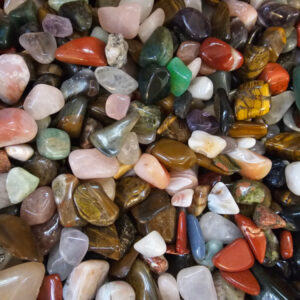
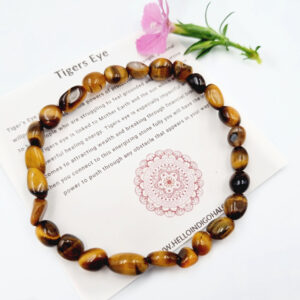
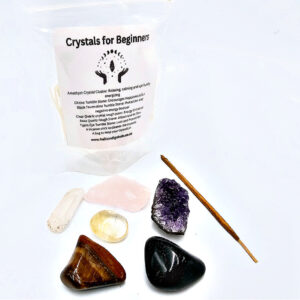
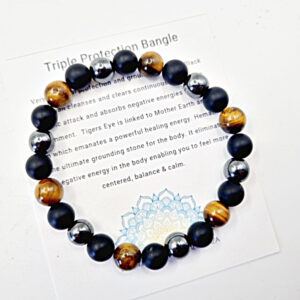
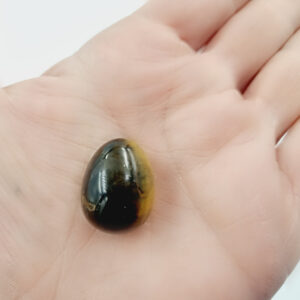
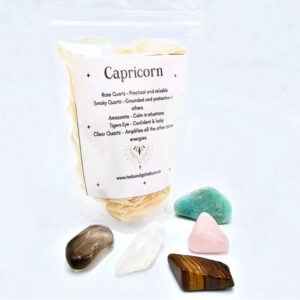
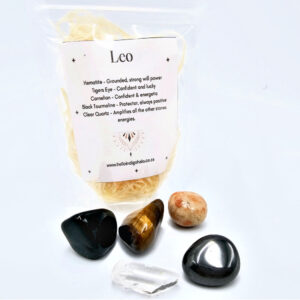
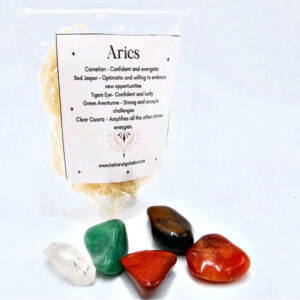
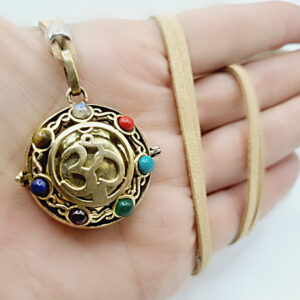
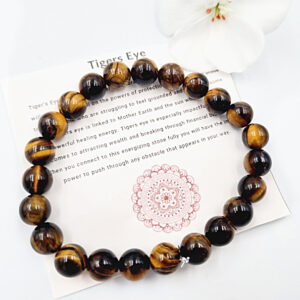
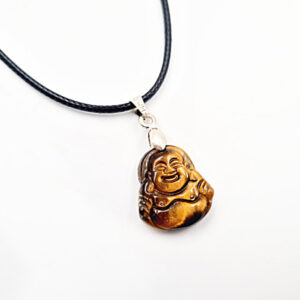
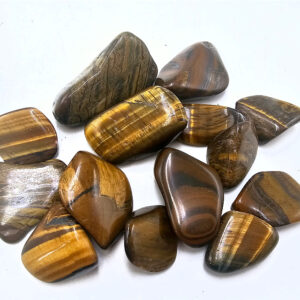

The Golden Flash of Tigers Eye
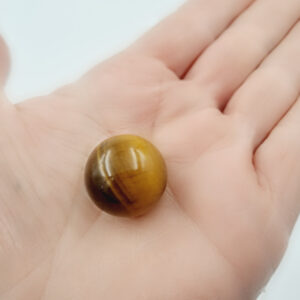
The magic of Tigers Eye becomes most obvious when you move it.
Bands of golden yellow, honey, bronze and brown can appear to shift across a polished surface as the angle of the stone changes. This silky band of reflected light is known as chatoyancy, from the French expression for “cat's eye”.
It's one reason Tigers Eye works so beautifully in everything from small beads and rings to large polished pieces: changing the shape changes the way you experience its pattern and light.
Hello Indigo Halo's collection stretches well beyond loose stones, with Tigers Eye appearing across jewellery, carvings, rough specimens, polished pieces and other unusual finds.
Browse our Crystal Names collection when you'd like to compare it with the many other gemstones and minerals in the HIH range.
Why Does Tigers Eye Seem to Move in the Light?
Tigers Eye is a quartz-rich material with a fibrous structure that creates its characteristic optical effect.
When the stone is cut and polished in the right orientation, those parallel structures reflect light as a bright band across the surface. Tilt the piece and that band appears to move.
This phenomenon is called chatoyancy, and Tigers Eye is one of the gemstones most famous for displaying it.
It also means that photographs can only tell part of the story. A stone that looks attractive in a still image may become considerably more dramatic once it's in your hand and moving through the light.
From Rough Rock to Silky Polish
Seeing rough and polished Tigers Eye side by side is particularly interesting.
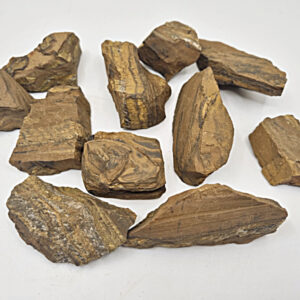
An unpolished piece can look earthy, textured and relatively understated. Cutting and polishing the material can reveal much stronger banding and create the silky reflective finish people immediately recognise as Tigers Eye.
HIH carries Tigers Eye in both states, including substantial rough specimens as well as smooth freeforms and smaller polished pieces. One current rough chunk weighs more than 2 kg, showing that this collection isn't limited to pocket stones and jewellery.
If you enjoy larger individually selected polished stones, continue browsing through our Selected Crystals – Polished collection for distinctive specimens in different minerals.
Tigers Eye Jewellery Has a Style of Its Own
Tigers Eye is particularly versatile as a jewellery stone.
Its earthy colouring pairs naturally with warm brass and copper, while silver-toned settings create a stronger contrast against the golden-brown gemstone. The chatoyant effect also becomes more noticeable as a ring, earring or necklace moves while being worn.
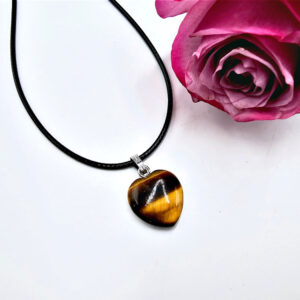
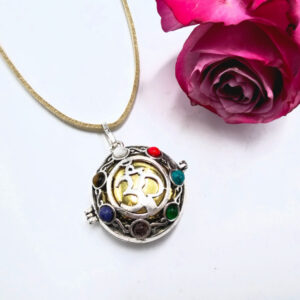
The current HIH collection is unusually broad, with Tigers Eye appearing in bangles, rings, earrings, necklaces, toe rings and other wearable designs. There are simple beaded pieces as well as elephants, spirals, Triple Moon imagery and more decorative designs.
For customers who particularly enjoy crystal jewellery, our Gem & Crystal Necklaces collection offers another route into wearable gemstones beyond Tigers Eye.
Tigers Eye in South Africa
Tigers Eye has a particularly relevant connection to South African mineral collecting.
Important deposits occur in the Northern Cape, and HIH has carried pieces identified as originating from Prieska in the Northern Cape. One of our polished Tigers Eye specimens, for example, records Prieska as its origin.
That makes Tigers Eye more than an internationally popular gemstone for a South African crystal shop. Some pieces can also represent part of the country's own remarkable mineral landscape.
Origin should still be taken from the individual product information where supplied rather than assuming every Tigers Eye item in the collection comes from South Africa.
More Than Golden Brown
Classic golden-brown Tigers Eye is the variety most people recognise first, but related material can produce a very different appearance.
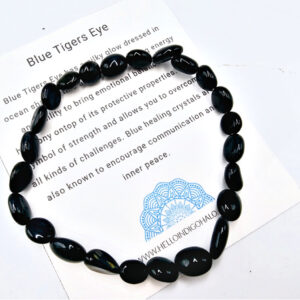
Blue Tigers Eye, often associated with the name Hawk's Eye, retains cooler blue-grey tones.
Red Tigers Eye has richer reddish-brown colouring. Some red material occurs through natural geological processes, while heat treatment can also be used commercially to intensify or create red colouring in Tigers Eye.
The HIH keyword research includes both Blue Tigers Eye and Red Tigers Eye as distinct terms, so these varieties are better treated as their own browsing interests rather than simply alternative names for ordinary golden Tigers Eye.
A Stone with a Long Talisman Tradition
Tigers Eye has acquired a strong symbolic identity over time.
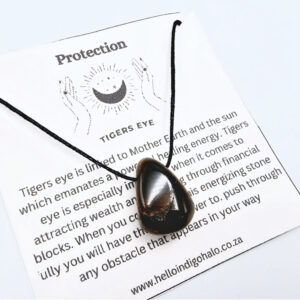
Within modern crystal traditions it is commonly connected with courage, confidence, grounding, focus, prosperity and protection. Its watchful cat's-eye appearance has also contributed to its history as a talisman.
Today, customers may choose it for those symbolic associations, wear it as meaningful jewellery or simply love the combination of earthy colour and moving light.
These spiritual and metaphysical meanings are traditions rather than scientifically established effects of the stone.
Finding Your Tigers Eye
With a collection this varied, choosing by format can be more useful than trying to decide which piece is theoretically “best”.
A rough chunk puts the natural material and texture centre stage.
A polished freeform emphasises colour, banding and chatoyancy.
Carvings add another layer of design and symbolism.
Smaller polished stones are easy additions to a mixed collection.
Jewellery makes particularly good use of Tigers Eye's movement because the gemstone naturally changes angle while being worn.
And if you're drawn specifically to smooth pocket-sized stones, browse our Tumbled Stones collection to compare Tigers Eye with other polished gemstones.
There is no requirement for the darkest, brightest or most strongly banded stone to be your favourite. With Tigers Eye, personal preference matters.
Pattern Makes Every Piece Different
Two Tigers Eye pieces cut to the same dimensions can still look remarkably different.
One may contain fine parallel golden lines. Another may have broad areas of honey brown, dark streaks or a much more dramatic reflective band.
The orientation of the cut also affects the finished appearance because it determines how the fibrous structure interacts with light.
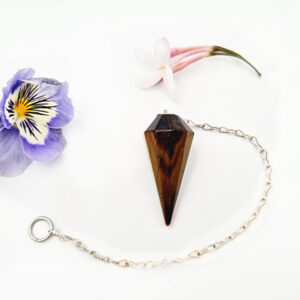
This natural individuality is particularly worth remembering when ordering products represented by example photographs. Unless the listing identifies the exact specimen, expect differences in banding, colour and chatoyancy.
Looking After Tigers Eye
Tigers Eye is suitable for many jewellery and decorative uses, but polished surfaces can still become scratched or damaged.
Store jewellery thoughtfully rather than allowing pieces to rub constantly against harder materials, and avoid harsh chemicals or abrasive cleaning methods.
Large specimens need a different kind of consideration: weight. Make sure substantial pieces are displayed on a stable surface where they can't easily fall or damage something underneath them.
For everyday cleaning, gentle methods and a soft cloth are usually a sensible starting point, with any product-specific care instructions taking priority.
Frequently Asked Questions
Why is it called Tigers Eye?
The name refers to the stone's shifting band of reflected light and golden-brown colouring, which can resemble the luminous appearance of an animal's eye.
Is Tigers Eye the same as cat's eye?
Not exactly. “Cat's-eye” can describe the optical phenomenon seen in several gemstones, while Tigers Eye is a specific material famous for displaying that effect. In gemmology, other chatoyant stones may also be described using cat's-eye terminology.
Can Tigers Eye contain natural imperfections?
Yes. Colour differences, irregular banding, inclusions, small surface features and variations in chatoyancy can occur naturally. These don't automatically mean the stone is defective.
Is Tigers Eye suitable as a gift if the person isn't interested in crystal meanings?
Absolutely. Its distinctive optical effect, warm colouring and versatility in jewellery make Tigers Eye visually interesting without any need to attach a spiritual meaning to it.