
Tektites
Tektites are extraordinary natural glasses linked to powerful meteorite impacts, formed when terrestrial material is melted and dispersed during an impact event. Their colours, shapes and surfaces vary according to their particular strewn field and history, from dark sculptural pieces to famous varieties such as Moldavite. Browse our tektites and related natural impact glasses for their unusual geological character. Within crystal traditions, they are associated with transformation, change and spiritual exploration.
Showing all 7 resultsSorted by latest
When an Impact Turns Earth Into Glass
Tektites have one of the most dramatic formation stories in the crystal world.
They aren't ordinary volcanic glass and they aren't pieces of meteorite.
Instead, genuine tektites are natural glasses connected with enormous meteorite impacts. Material from Earth is subjected to extreme conditions during the impact, melted and ejected before cooling into glass.
The result can be dark, strangely sculpted and surprisingly lightweight pieces whose shapes and surfaces preserve clues to an extraordinary event.
What Is a Tektite?
A tektite is a type of natural impact glass formed from terrestrial material during a hypervelocity impact event.
That distinction is important.
The meteorite or asteroid provides the impact and enormous amount of energy, but the glass itself is primarily formed from Earth material.
So calling a tektite a “meteorite” is misleading.
A better description is:
natural terrestrial glass formed during a meteorite impact.
Different impact events have produced different tektite groups around the world, each with its own geographical distribution, chemistry, colour and appearance.
What Is a Tektite Strewn Field?
Tektites aren't randomly scattered everywhere.
Pieces associated with a particular impact event can occur across a broad geographical region known as a strewn field.
This helps scientists connect groups of natural glass found considerable distances apart.
Locality is therefore particularly valuable when buying tektites.
Names such as Moldavite, Indochinite, Australite and other recognised tektite groups aren't simply different colours of the same decorative stone—they can relate to particular geographical occurrences and impact histories.
For collectors, knowing where a piece comes from is part of its story.
What Do Tektites Look Like?
There is no single compulsory tektite shape.
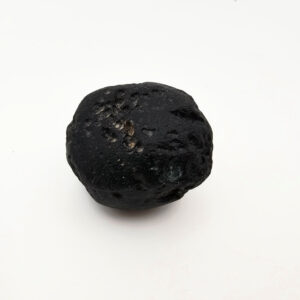
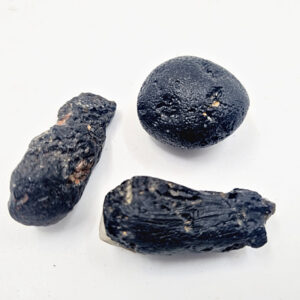
Depending on the type and its history, pieces can be rounded, irregular, elongated, splash-shaped or strongly sculpted.
Surfaces may be relatively smooth or covered with pits, grooves and textured areas.
Colour also varies between different tektite groups.
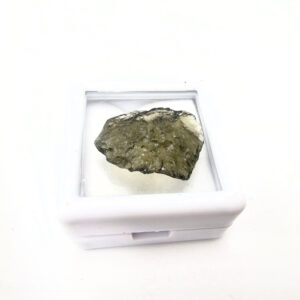
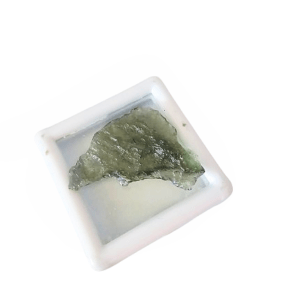
Many are dark brown to almost black, while the famous Moldavites of Central Europe are known for green shades.
Natural shape, surface texture, translucency and locality can all help distinguish one type from another.
Is Moldavite a Tektite?
Yes.
Moldavite is one of the world's best-known tektites.
Its green colour makes it visually very different from the dark material many shoppers first picture when hearing the word “tektite”, but it belongs to this fascinating family of natural impact glasses.
Moldavite is associated with the Central European tektite strewn field and the Ries impact event.
Because Moldavite has become highly collectible, identification and provenance are especially important when purchasing it.
Are Tektites Meteorites?
No.
This is one of the most common misunderstandings.
A meteorite is extraterrestrial material that survives its journey through the atmosphere and reaches Earth's surface.
A tektite is predominantly terrestrial material transformed into natural glass as a consequence of an impact.
The meteorite causes the event.
The tektite is one of the remarkable terrestrial products that can result from it.
That distinction makes tektites no less interesting—in many ways, it makes their story even more extraordinary.
Not Every Impact Glass Is a Tektite
“Tektite” and “impact glass” are sometimes used too loosely in crystal retail.
Tektites are impact glasses, but other types of natural impact glass can form differently and aren't necessarily classified as true tektites.
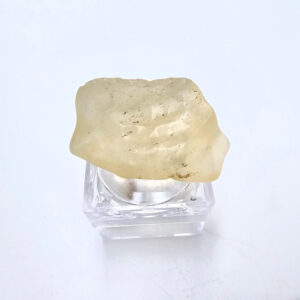
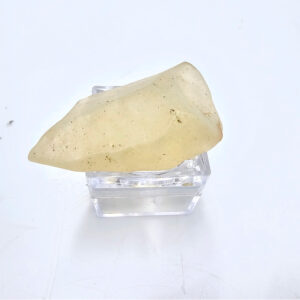
Libyan Desert Glass, for example, is a remarkable silica-rich natural impact glass from the Western Desert of Egypt. It is scientifically fascinating in its own right, but it is better described as an impact glass or impact-melt rock rather than presenting “tektite” as an uncontested classification.
This distinction doesn't make one material better than another.
It simply lets each material keep its real geological story.
And What About Agni Manitite?
Agni Manitite is another name that requires care.
Material sold in the crystal trade as Agni Manitite, Agni Manitite Pearl or sometimes Cintamani Stone has been marketed as a tektite and surrounded by dramatic meteorite stories.
However, mineralogical specimen records identify this Indonesian material as obsidian, a natural volcanic glass, and describe the “tektite” usage as pseudo-tektite terminology.
That means HIH should not present Agni Manitite as scientifically proven meteorite-impact glass.
It can still be sold under its familiar commercial name, but the description should clearly explain that it is natural volcanic glass marketed in crystal traditions as Agni Manitite rather than a confirmed true tektite.
Choosing Tektites and Related Natural Glass
For collectors, provenance matters.
Consider:
Material identity — is the piece a recognised tektite, another type of impact glass or volcanic glass sold under a traditional commercial name?
Locality — reliable location information adds useful geological context.
Surface — natural pits, grooves and sculptural textures can make individual pieces particularly interesting.
Colour — don't expect every genuine tektite to be black.
Shape — irregularity is normal; these aren't manufactured glass ornaments.
Weight and dimensions — for individually listed specimens, actual measurements are much more useful than generic descriptions.
Provenance — especially for expensive or highly collectible material, retain supplier information wherever possible.
A precise description makes these materials more interesting, not less magical.
Tektites in Crystal Traditions
Within crystal traditions, tektites are commonly associated with transformation, rapid change, spiritual exploration, expanded awareness and connection with the wider universe.
Different materials have also developed their own traditions. Moldavite, for example, has an especially strong modern reputation within metaphysical collecting.
These are spiritual and metaphysical traditions rather than scientifically demonstrated effects of natural glass.
The genuine impact history of tektites already provides an extraordinary connection between Earth and events arriving from space without needing to present spiritual outcomes as scientific fact.
Caring for Tektites
Although natural glass can survive for immense periods in the geological environment, individual pieces can still chip or fracture.
Handle thin edges and delicate sculptural areas carefully.
For ordinary cleaning, use a soft cloth or gentle lukewarm water when appropriate. Avoid harsh chemicals, abrasive scrubbing and sudden temperature changes.
Store valuable specimens so they aren't continually knocking against harder minerals.
For naturally textured pieces, avoid aggressive polishing simply to make them shiny—the original surface can be an important part of their appearance and collecting interest.
Frequently Asked Questions
What is a tektite?
A tektite is natural glass formed from terrestrial material during a powerful meteorite impact event. Material is melted and ejected before cooling into glass.
Are tektites pieces of meteorite?
No. Genuine tektites are primarily made from terrestrial material transformed during an extraterrestrial impact event rather than being fragments of the meteorite itself.
Is Moldavite a tektite?
Yes. Moldavite is a recognised green tektite associated with the Central European strewn field and the Ries impact event.
Is Libyan Desert Glass a tektite?
Libyan Desert Glass is an impact glass, but classifying it specifically as a tektite is problematic. It is more accurately described as silica-rich natural impact glass or impact-melt rock.
Is Agni Manitite a real tektite?
Material marketed as Agni Manitite is reported mineralogically as Indonesian obsidian or pseudo-tektite rather than a confirmed true tektite. Its commercial name can be retained, but its volcanic-glass identity should be explained clearly.