
Resins
Resin incense takes fragrance back to its aromatic roots. Browse Frankincense, Myrrh, Copal, Damar, Dragon’s Blood, Loban and other resin incense for rich, slow-releasing fragrance at home or during ritual and meditation. Burn loose resin carefully over a suitable charcoal tablet in a heat-safe resin burner, or choose convenient ready-made resin cups.
Showing all 9 resultsSorted by latest



Incense Before the Stick
Long before fragrance was rolled onto a bamboo stick, aromatic plant materials were being burned for their scent.
Resin incense takes you closer to that older form of aromatic tradition. Natural resins are substances produced by certain trees and plants, and when suitable aromatic resins are gently heated, they release intensely fragrant smoke.
Frankincense and Myrrh are probably the most famous examples, but the world of resin incense extends into Copal, Damar, Dragon’s Blood, Loban and other aromatic materials.
Compared with simply lighting an incense stick, loose resin asks for a little more preparation — and that is part of its character.
If you would rather strike a match and have your fragrance ready immediately, our Incense Sticks offer the easier everyday route.
Frankincense, Myrrh, Copal or Dragon's Blood?
They all belong on the resin shelf, but they do not smell the same.
Frankincense is one of the great historical aromatic resins. Produced by trees of the Boswellia genus, it has been traded and burned for thousands of years and has important roles in numerous religious and cultural traditions. Its fragrance can be warm, resinous, woody and subtly citrus-like.
Myrrh comes from Commiphora species and has its own long history of incense, perfumery and ceremonial use. Its fragrance is generally deeper, warmer, earthy and more bittersweet than Frankincense.
Copal is not one single botanical resin but a name used for several aromatic resins, particularly those with important traditional uses in parts of Mesoamerica and elsewhere. Its aroma can vary depending on its botanical source.
Dragon's Blood is even more intriguing. The name refers to intensely red resins obtained from several different plant groups rather than one universal “Dragon's Blood tree”. Its dramatic colour helped it acquire a long history in incense, craft and esoteric traditions.
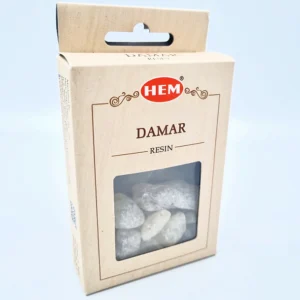
And Damar is a pale resin obtained from trees predominantly associated with Southeast Asia. Its aromatic character offers yet another direction.
So choosing resin by name is not merely choosing a different packet. You are stepping into completely different plants, places, fragrances and histories.
How Do You Burn Loose Resin Incense?
This is where beginners sometimes get caught.
You generally don't light a chunk of loose resin as though it were an incense cone.
One traditional method uses a charcoal tablet placed inside a suitable heat-resistant resin burner. The charcoal is lit and allowed to heat properly before a small amount of resin is carefully placed on top. Heat causes the aromatic material to release its fragrance and smoke.
Our Loban & Resin Burners are the useful next stop if you have resin but not the equipment to burn it.
The current burner collection includes dedicated resin burners, thuribles and starter/combo options, while charcoal tablets are also available separately.
Always follow the instructions supplied with your particular resin, charcoal and burner.
Charcoal Deserves Respect
Charcoal tablets become extremely hot.
Use them only in a stable, suitable heat-resistant burner intended for this kind of incense, placed on a safe surface away from anything flammable. Good ventilation is sensible whenever you are burning incense.
Never leave burning charcoal or resin unattended, and keep the setup away from children and pets.
A little resin can also go a surprisingly long way. You do not need to bury a glowing charcoal tablet beneath a mountain of it. Starting with a small amount allows you to discover how strongly a particular resin releases its fragrance.
You can always add more.
Removing it once your entire room has disappeared into an aromatic cloud is considerably less elegant.
What Are Resin Cups?
Resin cups provide a more convenient variation on traditional loose resin burning.
Instead of measuring individual resin pieces onto charcoal yourself, the aromatic material comes prepared in a cup format designed for burning according to the manufacturer's directions.
That can make resin fragrance more approachable if you like the aromatic character but do not necessarily want to handle loose pieces each time.
The current HIH assortment includes Sambrani and HEM resin cup products alongside traditional loose resins, so check the individual listing for the correct burning method rather than assuming every product in the category is used identically.
Loban: A Name You May See More Than Once
“Loban” can be confusing because the word is used differently across regions and commercial incense traditions.
In South Asian contexts, loban broadly refers to aromatic resin incense used for fumigation, fragrance and ritual purposes. Depending on the product and regional terminology, the precise resin or blend sold under the name can vary.
That means it is better to follow the information supplied for the specific Loban product you are buying than to assume every product labelled Loban contains exactly the same botanical material.
The ritual of burning it, however, remains familiar: aromatic material, heat, smoke and a fragrance that gradually moves through the surrounding space.
Resin, Ritual and Home Fragrance
Frankincense and Myrrh have histories intertwined with religious practice. Copal has important ceremonial traditions in Mesoamerica. Sambrani and Loban have longstanding connections with South Asian fragrance and ritual practices. Other resins have developed their own cultural and esoteric associations.
Those histories deserve more than collapsing everything into the vague idea of “cleansing energy”.
Today, people burn resin for many reasons.
For some, it is part of prayer, meditation, ceremony or personal spiritual practice. Others enjoy the slower ritual of preparing charcoal and resin. And some simply prefer deep resinous fragrance to floral or perfumed incense.
If ritual smoke and traditional aromatic materials interest you more broadly, our Smudge Sticks & Tools offer another branch of the HIH aromatic collection, with their own distinct cultural histories and methods of use.
Resin or Incense Sticks?
Choose loose resin when you want a traditional burning experience, intense resinous fragrance and greater control over how much aromatic material you add.
Choose resin cups when you want resin-style fragrance in a more prepared format.
Choose incense sticks when simplicity is the priority — light, extinguish the flame and allow the stick to smoulder in an appropriate holder.
There is no need to decide that one is the “proper” way to enjoy incense.
Sometimes you want to prepare the charcoal, add Frankincense and make a ritual of it.
Sometimes you have ten minutes and an incense stick wins.
Frequently Asked Questions
Do I need charcoal to burn resin incense?
Traditional loose resin is commonly heated over a suitable charcoal tablet in a heat-safe resin burner. Other resin products, including prepared cups, may use different methods. Always follow the instructions for the particular product you purchase.
What is the difference between Frankincense and Myrrh?
They come from different groups of resin-producing trees and have different aromatic characters. Frankincense comes from Boswellia species and is often described as resinous, woody and subtly citrus-like, while Myrrh comes from Commiphora species and tends towards deeper, earthy, warm and bittersweet notes.
How much resin should I put on charcoal?
Start with a small amount. Resin can produce a strong fragrance when heated, and more can be added if required. Follow the individual product and charcoal instructions for safe use.
Can I use an ordinary incense-stick holder for loose resin?
Not unless it is specifically designed to safely accommodate hot charcoal or resin. Charcoal reaches very high temperatures, so use a stable, heat-resistant burner intended for resin incense.
Why do people burn resin incense?
Reasons vary widely. Resin incense has long histories in religious, ceremonial and cultural traditions, while modern customers may also use it during meditation, personal rituals or simply because they enjoy its distinctive fragrance.