
Incense, Oils & Smudging
Showing 26–50 of 375 resultsSorted by latest
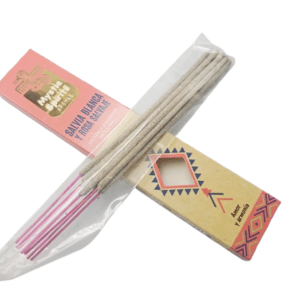
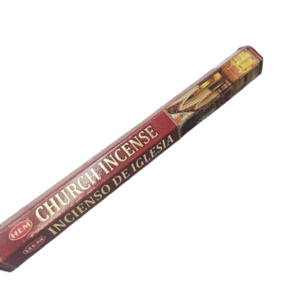
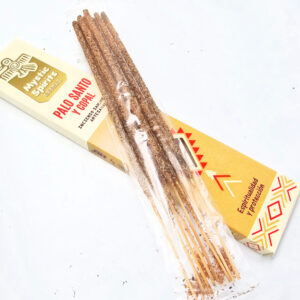
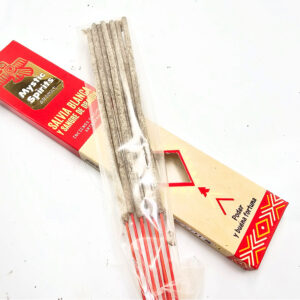
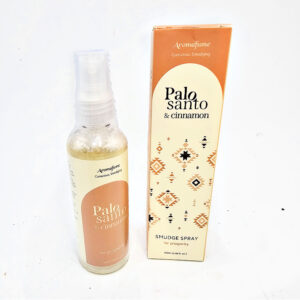
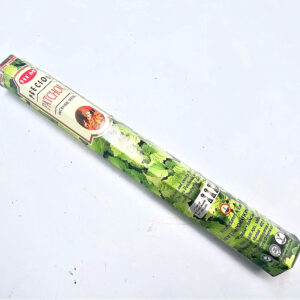
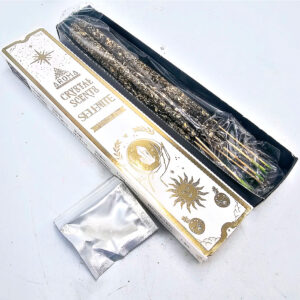
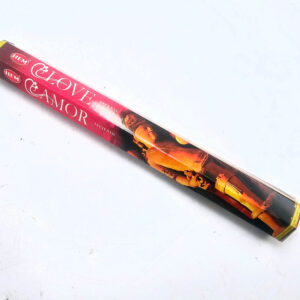
Incense, Oils & Smudging: Start With How You Want to Use It
Some people know their favourite incense by name and buy it again and again.
Others stand in front of an entire wall of fragrances wondering where on earth to begin.
The easiest way into Incense, Oils & Smudging is to start with how you want to use it.
If you want something simple to light and enjoy, incense sticks are an easy everyday choice. Cones give you a compact alternative. Resins offer a more traditional burning experience, while fragrant oils create aroma without burning an incense stick at all.
Smudging products sit within the same aromatic world but have their own cultural histories and traditional uses.
And sometimes none of that matters because you smelled something once, loved it and want your house to smell like that again.
That's a perfectly good reason too.
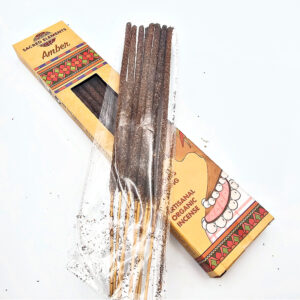
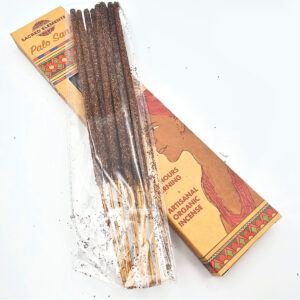
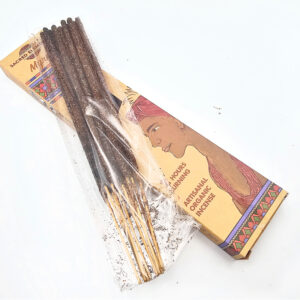
Incense Sticks: The Easy Place to Begin
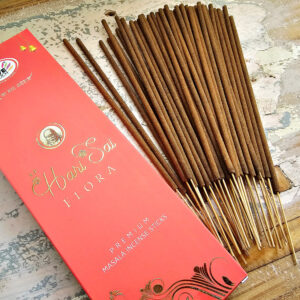
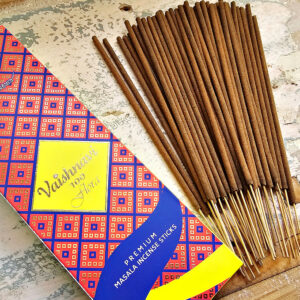
Incense sticks are probably the most familiar format in the collection.
Light the tip, allow it to catch briefly, extinguish the flame and the glowing end slowly releases fragrant smoke as the stick burns.
The real choice is fragrance.
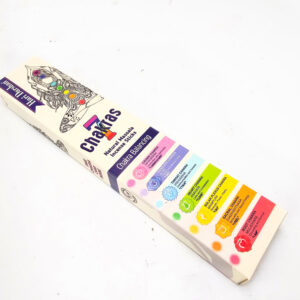
Some incense leans floral, some woody, spicy, sweet, herbal or resinous. Frankincense has a very different character from something floral, while blends inspired by particular deities, chakras or spiritual traditions may combine fragrance with symbolic or ritual associations.
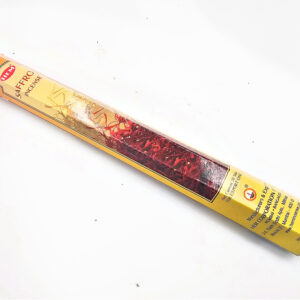
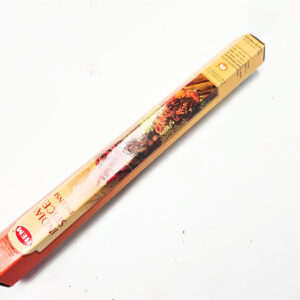
HIH carries incense from established makers including HEM and Tulasi, alongside a wide variety of individual fragrances and themed blends.
Browse our Incense Sticks collection when you want to explore the fragrances in one place.
Sticks or Cones?
Both create fragrance through slowly burning aromatic material, but the experience is slightly different.
Incense sticks are long and slender and generally burn progressively from one end.
Incense cones concentrate the aromatic material into a small cone-shaped form and require a suitable heat-resistant surface or burner underneath them.
Choosing between them can be as simple as deciding which format you prefer using.
There's also an important distinction between an ordinary incense cone and a backflow incense cone. Backflow cones are specially designed with a hollow channel that allows smoke to travel downward through a compatible backflow burner, creating the cascading smoke effect those burners are known for.
Ordinary cones shouldn't automatically be expected to produce that effect.
Explore our Incense Cones collection if cones are your preferred format.
Resin Is Incense in a Much Older Form
Incense didn't begin with a neatly packaged stick.
Natural aromatic materials such as frankincense and myrrh resins have been burned for thousands of years and became important in trade, ceremony and religious practice across numerous cultures.
Frankincense itself comes from trees of the Boswellia genus. When the bark is cut, aromatic resin exudes from the tree and hardens into the pieces traditionally known as tears.
Burning resin is a different experience from lighting a ready-made incense stick.
Traditional loose resins are commonly placed in small quantities onto suitable lit charcoal held inside a heat-resistant burner, where the heat releases their characteristic aroma.
If you're curious about this older style of incense, browse our Resins collection.
The Holder Isn't Just Decoration
Burning incense needs somewhere safe to happen.
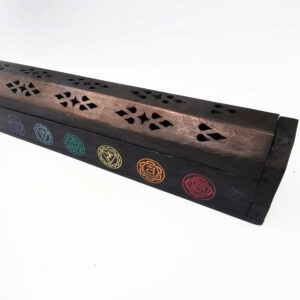
A stick holder needs to support the incense securely and catch falling ash.
Cone burners need a heat-resistant area for the cone.
Resin burning requires equipment suitable for the heat generated by charcoal or the particular resin-burning method you're using.
Backflow burners are different again because their channels and tiers are designed to guide the descending smoke from compatible cones.
That makes the burner part of the function, not merely something decorative underneath the incense.
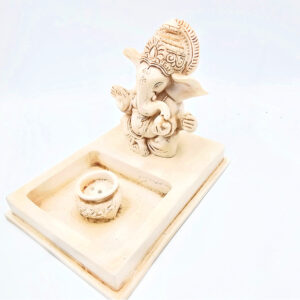
Browse our Incense Holders collection to find holders and burners suited to different incense formats.
Fragrance Can Become Part of a Routine
Scent has an interesting ability to become connected with repeated experiences.
If you regularly burn the same incense while reading, meditating, journalling or winding down in the evening, the fragrance can become part of the ritual of beginning that activity.
This doesn't have to be spiritual.
You might light incense while cleaning the house, before friends arrive, while working creatively or simply because the room feels better with fragrance in it.
Within spiritual practices, incense may also be used during meditation, prayer, altar work, ritual and other intentional practices.
The reason you burn it is entirely your own.
Frankincense, Myrrh and the Resinous Fragrances
Some incense names describe perfume-style blends.
Others point back towards actual aromatic materials.
Frankincense and myrrh are two of the best-known examples. Both are natural aromatic resins with very long histories of trade and ceremonial use, although their scent profiles are distinct.
Frankincense is often described as resinous, woody and balsamic with subtle citrus-like qualities.
Myrrh tends towards a deeper, earthy, warm and sometimes slightly bitter aromatic character.
You can encounter these names as natural resin pieces, incense fragrances and blended aroma products, so always check the individual product format rather than assuming everything labelled Frankincense is raw frankincense resin.
Oils Give You Another Way to Explore Fragrance
Fragrant and aromatic oils belong in this department because they offer a completely different route to scent.
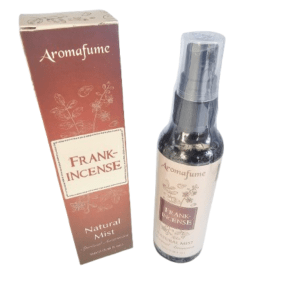
Instead of lighting a stick or cone, suitable fragrance oils may be used according to their individual instructions with compatible oil burners or fragrance devices.
The important word here is suitable.
Fragrance oils, essential oils and other aromatic products aren't automatically interchangeable, and not every oil is intended for every type of burner, diffuser or topical use.
Always follow the instructions for the particular product rather than assuming that anything in a small bottle can be used in the same way.
Smudging Has Its Own Traditions
Smudging shouldn't simply be treated as another word for making fragrant smoke.
The term has specific cultural significance within certain Indigenous North American ceremonial traditions, while smoke cleansing practices using herbs, woods and resins also exist in many different cultures around the world.
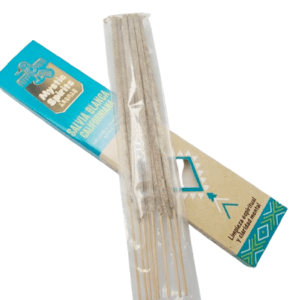
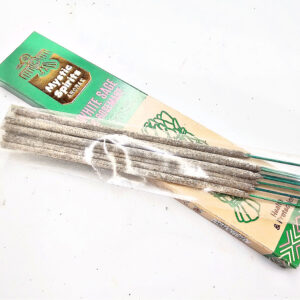
Within contemporary spiritual practice, people may burn particular aromatic plant materials as part of cleansing, meditation or ritual.
The specific material matters, as does understanding the tradition or practice you're drawing from.
HIH's wider range includes smudging and smoke-cleansing products alongside incense because customers often use these aromatic tools within related spaces and routines, but they shouldn't all be described as though they have identical origins.
How to Choose a Fragrance You've Never Smelled
Buying fragrance online is tricky because nobody has invented a useful smell button yet.
Start with scent families and ingredients you already know.
If you enjoy floral fragrances, look for flowers and softer perfume-style blends.
If you prefer woody, earthy or resinous scents, explore fragrances such as sandalwood, frankincense and related aromatic blends.
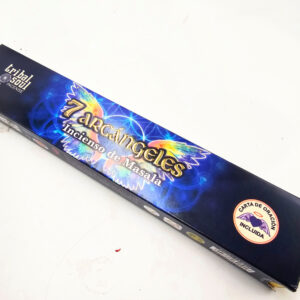
If you enjoy richer fragrance, look towards spicy, musky, amber-like and complex masala-style incense.
And don't assume the name tells you everything.
Two different incense makers can interpret the same fragrance very differently.
Once you find one you love, remember the brand as well as the fragrance name.
Burn Incense Safely
Incense creates heat, ash and, in most formats, smoke.
Use an appropriate stable, heat-resistant holder and keep burning incense away from curtains, paper, dry plants and other flammable materials.
Keep it out of reach of children and pets, avoid placing it where it can easily be knocked over, and never leave burning incense unattended.
Ventilation matters too.
You want to enjoy the fragrance — not turn the room into a smoke chamber.
Frequently Asked Questions
Which type of incense is easiest for a beginner?
Incense sticks are an easy place to start because they're simple to light and there are many fragrances to explore. You'll need a stable incense-stick holder that supports the stick and catches the ash.
Do I need special cones for a backflow incense burner?
Yes. The cascading smoke effect relies on backflow cones designed with an internal channel that works with a compatible burner. Standard incense cones aren't designed to create the same downward smoke flow.
What's the difference between incense resin and incense sticks?
Resin is loose aromatic material that is generally heated or burned using an appropriate resin-burning method, often charcoal. Incense sticks are prepared products designed to smoulder progressively once lit, making them more convenient for everyday use.
Can I burn incense simply because I like the fragrance?
Absolutely. Incense has long religious, ceremonial and spiritual histories, but you don't need a spiritual reason to enjoy it. Home fragrance is one of the simplest reasons to light a favourite incense.