
Necklaces
Showing 26–50 of 285 resultsSorted by latest


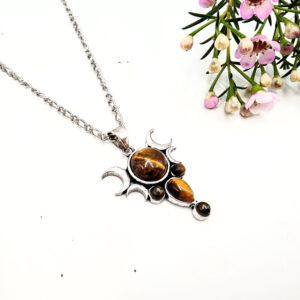
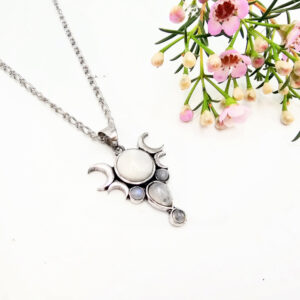
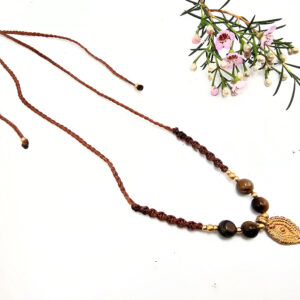
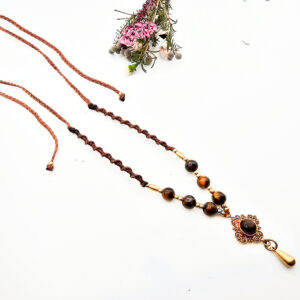
Start With What You Want the Necklace to Do
Some people begin with a crystal. Others want a particular metal, a symbolic pendant or something long enough to become the centre of an outfit.
That is exactly why our Necklaces collection is broad.
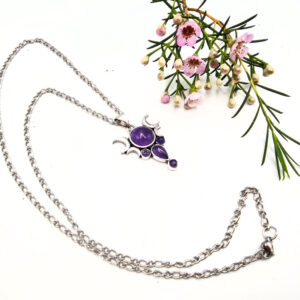
You will find delicate gemstone pieces alongside substantial statement pendants, warm brass beside silver-toned designs, polished stones alongside rough crystal points, and constructions ranging from fine chains and adjustable cords to wire wrapping, macrame and braided settings.
Rather than treating every necklace as essentially the same thing on a different chain, it helps to decide what matters most to you: the stone, the material, the construction or the design.
When the Crystal Comes First
If you already know you want to wear a natural stone, start with our Gem & Crystal Necklaces.
This is where the sheer variety of gemstones becomes part of the fun. The collection can move from familiar Clear Quartz and Amethyst to Moonstone, Tiger's Eye, Shungite, Angelite, Mookaite, Aventurine and less expected stones, depending on the current range.
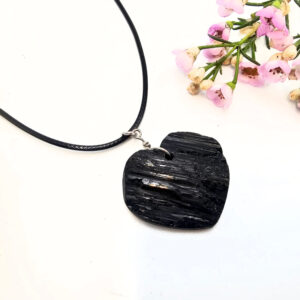
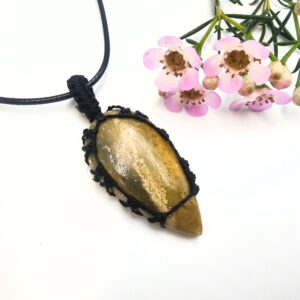
Some crystals are polished into neat pendants or cabochons. Others deliberately retain rough points, druzy surfaces, natural edges or irregular shapes. Natural variation means colour, pattern, inclusions, transparency and stone shape can differ between pieces — especially where the crystal itself forms the focal point of the necklace.
Within crystal traditions, different stones also carry their own associations. Rather than trying to cover every crystal meaning on one enormous necklace page, follow the individual stone into its Crystal Name collection when you want to understand it more deeply.
Warm Brass or the Character of Copper?
Metal changes the entire personality of a necklace.
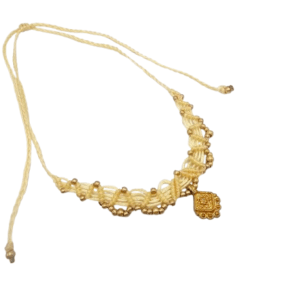
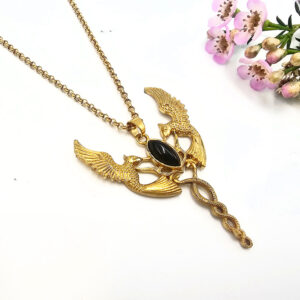
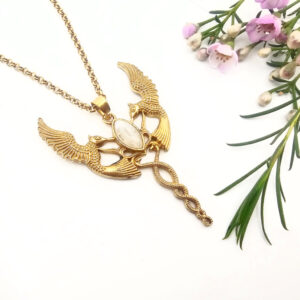
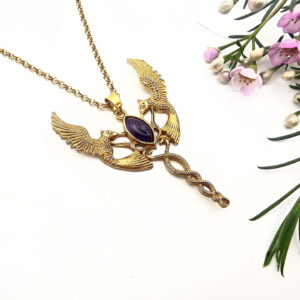
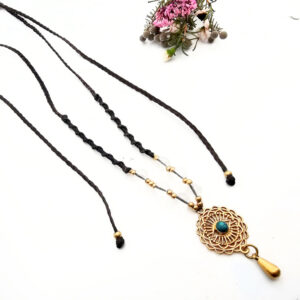
Our Brass Necklaces bring warm golden tones into everything from petite gemstone pieces to geometric, Egyptian-inspired, celestial and larger statement designs.
Brass works particularly well when the metal itself is meant to be seen. It can form the pendant, frame a stone or become part of a more sculptural design rather than disappearing quietly into the background.
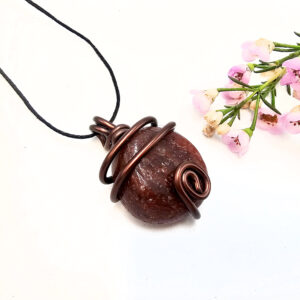
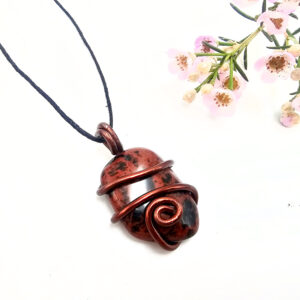
Copper creates a different look. It appears particularly naturally in wire-wrapped crystal jewellery, where the wire follows the shape of a stone and becomes part of the design.
If your choice starts with colour, think of brass for warmer golden tones and copper for an earthier reddish-metal character. Then let the pendant decide the rest.
When the Setting Is Half the Story
Sometimes the most interesting part of a necklace is how the pendant is held.
Our Wire Wrapped Necklaces use wire to secure and frame individual crystals. This technique works especially well with irregular stones because the wrapping can respond to the shape of the piece rather than forcing every crystal into an identical setting.
Current designs include both copper and aluminium wrapping, with stones ranging from polished material to rough crystal points and clusters.
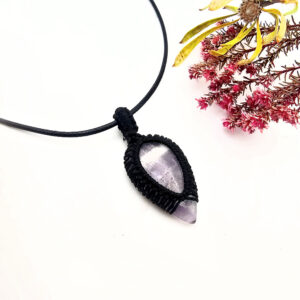
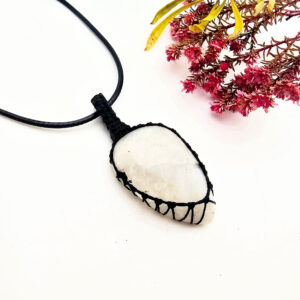
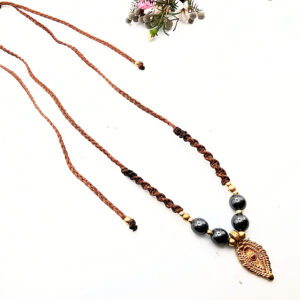
Macrame takes almost the opposite approach. Instead of metal wire, decorative knotting and cord become part of the structure. The result is softer, more textural and particularly at home with earthy gemstones, festival styling and bohemian jewellery.
These differences matter when choosing. A crystal pendant is not only about which stone you like — the setting can completely change how that stone feels when worn.
Symbols, Shapes and Necklaces With a Secret
Not every necklace begins with a gemstone.
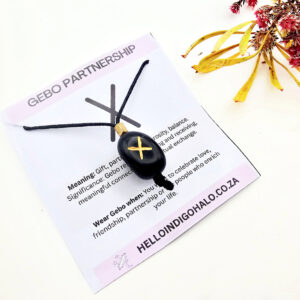
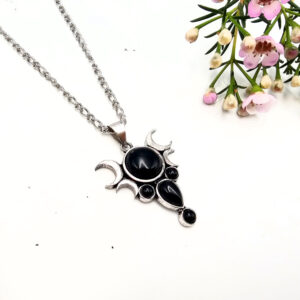
Across the collection you will find hearts, geometric forms, celestial imagery, Hamsa and Evil Eye designs, nature-inspired pieces and culturally specific symbolic motifs. Where a necklace draws from a particular religious or cultural tradition, its symbolism should be understood within that context rather than treating every motif as interchangeable “spiritual” decoration.
Then there are necklaces that do something slightly unexpected.
Our Harmony Bell & Locket Necklaces include pendants where the construction itself is part of the appeal. Harmony bells — also called harmony balls, pregnancy chimes or bola necklaces — contain an internal element that creates a gentle sound as the pendant moves. Lockets introduce another idea entirely: jewellery with something hidden, contained or kept close.
Sometimes the reason to choose a necklace is not simply how it looks.
Small Detail or Full Statement?
Scale matters.
A petite gemstone necklace can introduce a little colour without dominating what you are wearing. These pieces also tend to be easier to layer because several different necklace lengths can share the same space.
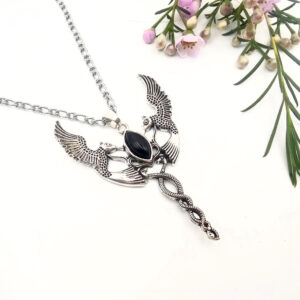
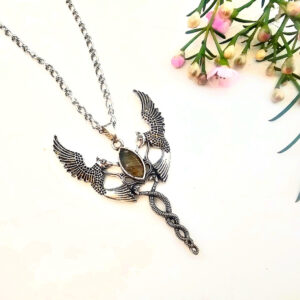
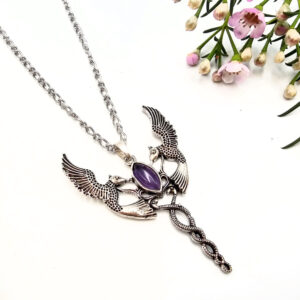
Larger pendants work differently. A substantial crystal, broad brass motif, winged design or long-drop necklace naturally becomes more of a focal point.
And statement does not necessarily mean heavy or ornate. A long, minimalist geometric necklace can have considerable visual impact simply because of its length and movement.
If you like experimenting, try contrasting rather than matching: a shorter crystal necklace above a longer pendant, a fine chain beside textured cord, or a simple stone alongside something more sculptural.
Choosing a Necklace as a Gift
When you know someone's exact taste, the strange and wonderful pieces are easy — choose the thing that immediately makes you think of them.
When you are less certain, start with one strong clue.
A favourite gemstone gives you an obvious route into crystal jewellery. Their preferred metal colour can guide you towards warm brass or cooler silver-toned designs. A recognisable symbol, birthstone, heart or nature motif can make the gift feel more personal without needing to know exactly what they already own.
For someone who actively collects crystals, the stone itself may matter more than the setting. For someone who treats jewellery primarily as fashion, begin with colour, size and silhouette instead.
Frequently Asked Questions
How do I choose the right necklace length?
Think about where you want the main detail to sit. Shorter necklaces keep pendants higher on the chest, while longer cords and chains create a more relaxed drop and give larger pendants room to stand out. Check individual product details because lengths and adjustable constructions vary.
Can I layer crystal necklaces with other necklace styles?
Yes. Mixing lengths is usually the easiest place to begin. Combining different textures — such as a fine chain, crystal pendant and cord necklace — can also make a layered look feel intentional rather than crowded.
What is the difference between a crystal necklace and a wire-wrapped necklace?
“Crystal necklace” describes what the piece features, while “wire wrapped” describes how it is constructed. A necklace can therefore be both. Wire wrapping uses metal wire to hold or frame the stone, while crystal necklaces can also use drilled stones, metal settings, cages, cords or other constructions.
Do natural gemstone necklaces all look exactly alike?
Not necessarily. Natural gemstones can vary in colour, pattern, clarity, inclusions and shape. Those differences are particularly noticeable in rough, free-form and individually wrapped stones and are part of the character of natural gemstone jewellery.
How should I care for my necklace?
Care depends on the materials. As a general habit, keep jewellery away from unnecessary water, perfume, lotions and harsh chemicals, and store necklaces so chains and cords do not become tangled. Check individual product information where a particular gemstone or construction needs more specific care.