
Feng Shui Statues
Rich in symbolism and character, our Feng Shui Statues include Money Frogs, Fu Dogs, dragons, Pixiu, Dragon Tortoises and other distinctive figures. Traditionally associated with ideas such as prosperity, protection, good fortune and longevity, these statues make meaningful additions to homes, offices and symbolic décor collections.
Showing all 17 resultsSorted by latest
Feng Shui Statues & Their Traditional Symbolism
From tiny Money Frogs to imposing pairs of guardian lions, Feng Shui Statues can carry layers of traditional symbolism.
Our changing collection includes Money Frogs, Fu Dogs, dragons, Pixiu, Dragon Tortoises, Fuk Luk Sau and other figures associated with Chinese culture and modern Feng Shui practice.
Some people choose a statue according to its traditional meaning or placement, while others simply fall in love with the character and appearance of a particular piece.
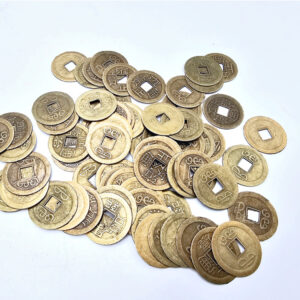
For lucky coins, hanging ornaments and a broader selection of symbolic pieces beyond statues, explore our Feng Shui collection.
Choosing a Feng Shui Statue
The easiest place to start is with the figure itself.
Different animals, deities and mythical creatures have different histories and traditional associations, so understanding the symbolism can make choosing your statue considerably more meaningful.
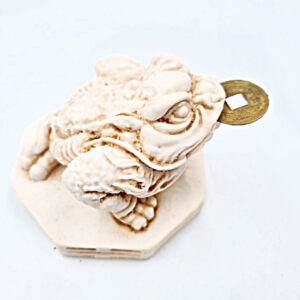
Money Frog Statues
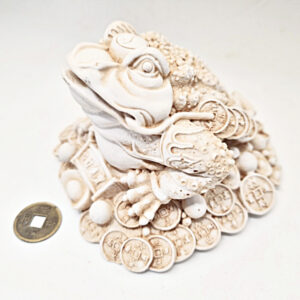
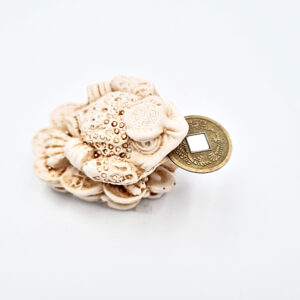
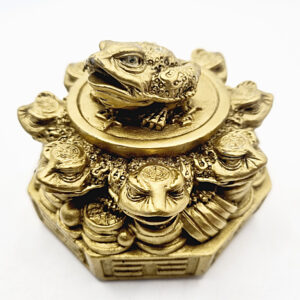
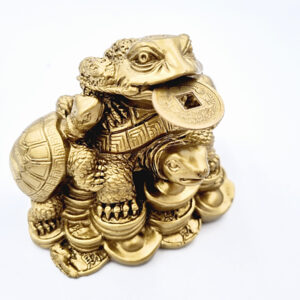
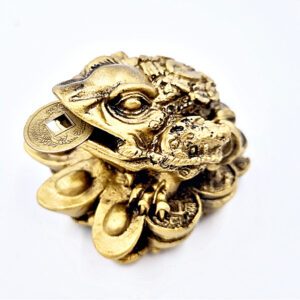
The Money Frog, also known as the Money Toad or Three-Legged Toad, is one of the most recognisable prosperity symbols in modern Feng Shui.
It is commonly depicted sitting on coins, holding a coin or surrounded by other symbols associated with wealth.
Within modern Feng Shui traditions, the Money Frog is commonly associated with prosperity, abundance and good fortune.
Our collection includes Money Frogs in different sizes and designs, from tiny figures to more elaborate arrangements incorporating coins, tortoises or multiple frogs.
These are traditional symbolic associations rather than guarantees that displaying a Money Frog will create financial wealth.
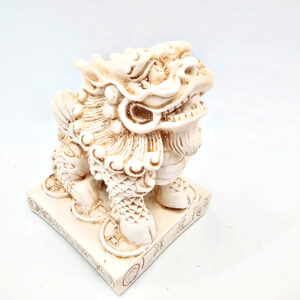
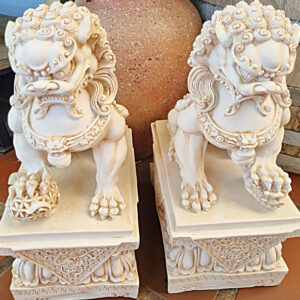
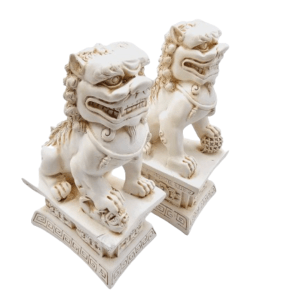
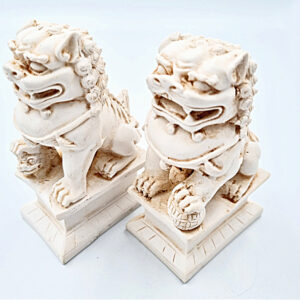
Fu Dogs — Chinese Guardian Lions
Despite their familiar English name, Fu Dogs are actually stylised Chinese guardian lions.
Guardian lions have a long history in Chinese architecture and traditionally appear outside important buildings, temples, palaces and homes as symbols of protection.
They are commonly displayed in pairs, and HIH carries paired Fu Dog sets in several sizes.
Their dramatic appearance also makes them impressive decorative statues even when they aren't being chosen specifically according to Feng Shui practice.
Pixiu & Piyao Statues
Pixiu, sometimes represented under names or transliterations including Piyao, is a mythical Chinese creature with dragon-like features.
Within contemporary Feng Shui practice, Pixiu has become strongly associated with wealth, good fortune and protection.
Its distinctive mythical appearance also makes Pixiu particularly appealing to collectors who enjoy dragons and Chinese symbolic creatures.
As with other Feng Shui figures, these meanings are traditional associations rather than guaranteed outcomes.
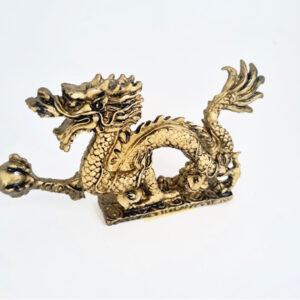
Feng Shui Dragon Statues
The Chinese dragon has very different cultural associations from the destructive dragons found in many Western stories.
Across Chinese culture, dragons have historically been associated with concepts including power, strength, auspiciousness and authority.
This makes a Feng Shui dragon an especially striking choice for someone drawn to traditional Chinese symbolism as well as mythical creatures.
Dragon Tortoise Statues
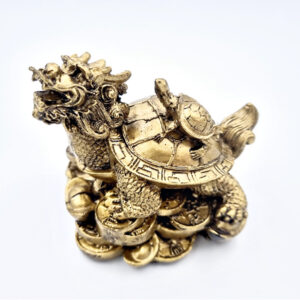
The Dragon Tortoise combines two powerful symbolic creatures: the dragon and the tortoise.
Within modern Feng Shui symbolism, the Dragon Tortoise is commonly associated with ideas including longevity, stability, prosperity and success.
Its hybrid appearance also makes it one of the more unusual Feng Shui figures for a shelf, desk or symbolic display.
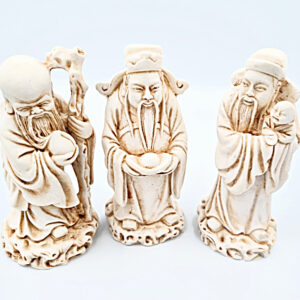
Fuk Luk Sau — Three Star Gods
Fuk, Luk and Sau, also written Fu, Lu and Shou, are traditionally represented together as three figures.
They are associated respectively with ideas of fortune, prosperity or status, and longevity.
Rather than simply treating them as three generic “wise men”, understanding their identities gives the set much more cultural context and meaning.
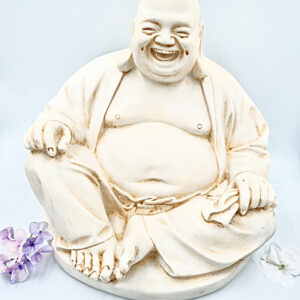
Laughing Buddha Statues
The cheerful figure commonly called the Laughing Buddha is generally based on Budai, a figure from Chinese Buddhist tradition.
Budai became popularly associated with ideas including happiness, abundance and contentment.
He shouldn't be confused with Siddhartha Gautama, the historical Buddha.
For Buddhist-inspired figures beyond the Feng Shui collection, browse our Buddha Statues.
Quan Yin Statues
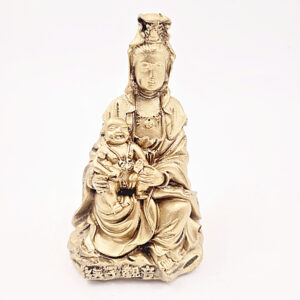
Quan Yin, also written Guanyin, is a bodhisattva associated with compassion within East Asian Buddhist traditions.
Although Quan Yin figures sometimes appear in Feng Shui-inspired interiors and collections, her religious and cultural significance extends well beyond Feng Shui.
Choose and display a Quan Yin figure with an awareness of that broader context rather than treating her simply as another generic symbol of luck.
Lucky Cat — Maneki Neko
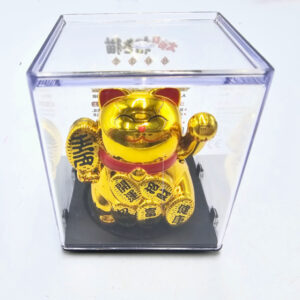
The familiar beckoning Lucky Cat, or Maneki Neko, is traditionally Japanese rather than Chinese.
It is widely associated with good fortune and prosperity and has become popular in shops, restaurants, businesses and homes around the world.
Because Lucky Cats are frequently incorporated into contemporary prosperity-themed and Feng Shui retail collections, you'll sometimes encounter them alongside Chinese Feng Shui symbols.
It's still worth recognising their Japanese origin rather than describing Maneki Neko as a traditional Chinese Feng Shui symbol.
Where Should You Put Feng Shui Statues?
There isn't one universal placement rule that applies to every Feng Shui statue.
Placement recommendations can depend on the particular symbol, the tradition or school being followed and the purpose assigned to the piece.
If you're practising Feng Shui formally, research the specific figure and system you're following rather than relying on a generic placement rule.
If you're primarily decorating, choose a stable, respectful position where the statue can be appreciated without being easily knocked or damaged.
Feng Shui Statues for Homes & Offices
The current collection includes everything from small desk-sized ornaments to considerably larger statement statues. Check the measurements on individual product pages before ordering, as photographs alone can make scale difficult to judge.
Smaller pieces can work beautifully on desks, shelves and display areas, while larger Fu Dogs and other statement figures can create a much stronger visual presence.
Giving a Feng Shui Statue as a Gift
A symbolic statue can make an especially thoughtful gift when its traditional meaning connects with the recipient or occasion.
Feng Shui figures are often considered for occasions such as:
- New homes
- New businesses
- Career milestones
- Birthdays
- Weddings
- Chinese New Year
- New beginnings
Include the meaning behind your choice when giving the gift — knowing why a particular figure was chosen can make it considerably more personal.
Caring for Feng Shui Statues
Care requirements depend on the material, paint and decorative finish of the individual statue.
Dust gently with a soft cloth and avoid abrasive cleaners that could scratch or remove painted and metallic finishes.
Keep delicate figures somewhere stable and always check the individual product listing for dimensions and material information.
Frequently Asked Questions About Feng Shui Statues
What are Feng Shui statues?
Feng Shui statues are decorative or symbolic figures incorporated into modern Feng Shui practice and related décor. Different figures have different histories and traditional associations, including prosperity, protection, longevity and good fortune.
What does a Money Frog statue mean?
The Money Frog or Three-Legged Toad is commonly associated with wealth, prosperity and abundance in modern Feng Shui practice. These meanings are symbolic traditions rather than guarantees of financial success.
Are Fu Dogs really dogs?
No. The figures commonly called Fu Dogs are actually Chinese guardian lions. They are traditionally associated with protection and are commonly displayed as pairs.
What does a Pixiu statue symbolise?
Pixiu is a mythical Chinese creature commonly associated in contemporary Feng Shui with wealth, good fortune and protection.
What does a Dragon Tortoise mean?
The Dragon Tortoise combines dragon and tortoise symbolism and is commonly associated in modern Feng Shui with longevity, stability, prosperity and success.
Is the Laughing Buddha the historical Buddha?
No. The familiar Laughing Buddha is generally based on Budai, a figure from Chinese Buddhist tradition. He shouldn't be confused with Siddhartha Gautama, the historical Buddha.
Is the Lucky Cat a Chinese Feng Shui symbol?
The Maneki Neko or Lucky Cat is Japanese in origin, although it is now frequently sold alongside Feng Shui and other prosperity-themed décor.
Do Feng Shui statues guarantee luck or wealth?
No. Different statues carry traditional, cultural or spiritual associations, but displaying an object cannot guarantee financial success, protection, luck or another specific outcome.
How do I choose a Feng Shui statue?
Start with the figure whose appearance or traditional symbolism appeals to you. Then check its size, design and individual product information to find something suitable for the space where you intend to display it.