
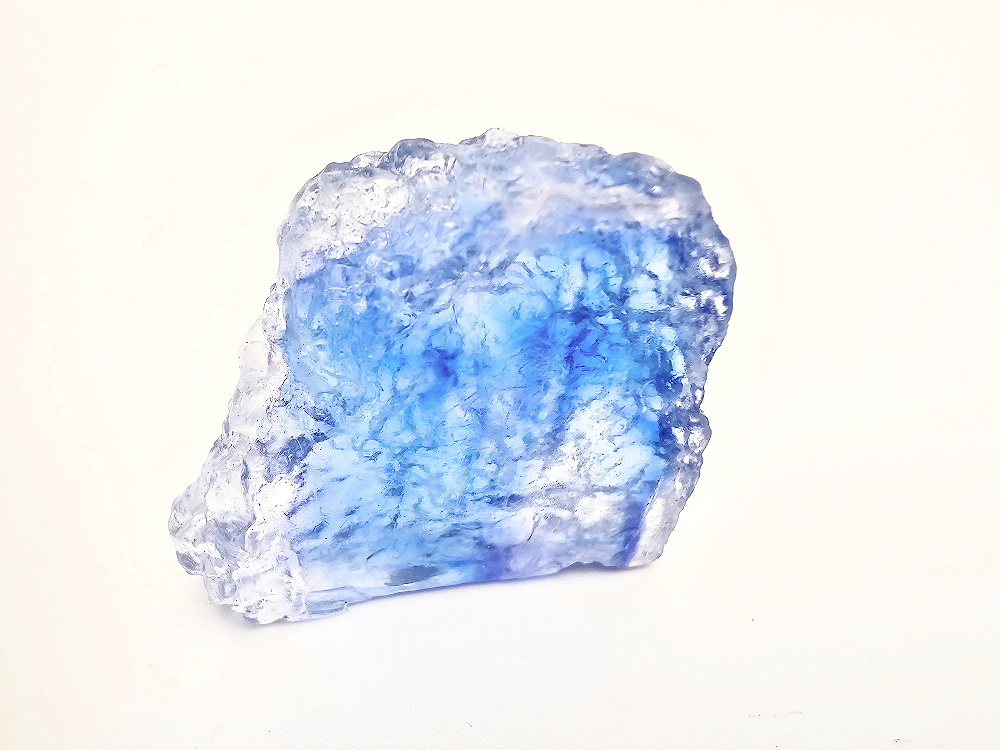
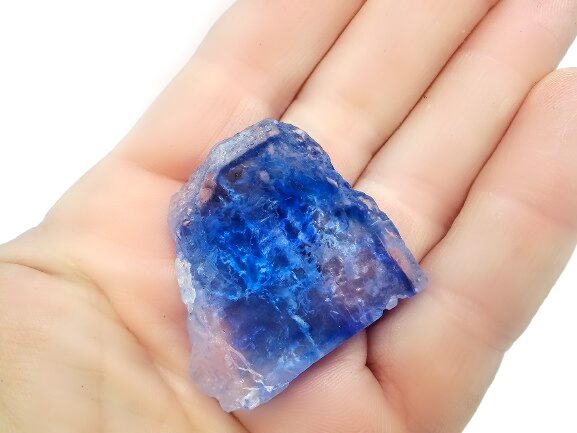




Blue Halite Specimen – Natural Blue Mineral Crystal 19g
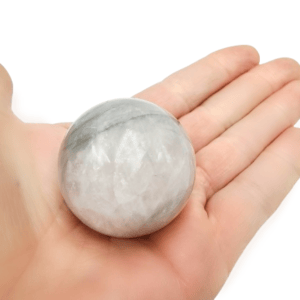
The Blue Halite Specimen is a fascinating little natural mineral piece measuring approximately 4 x 4cm and weighing just 19g. Its unusual blue colouring immediately sets it apart, making this a particularly interesting addition for collectors who enjoy unusual minerals and specimens with a geological story behind them.
Halite is the mineral form of sodium chloride — natural rock salt. While that may sound surprisingly familiar, naturally occurring Halite can form beautiful crystals, often with distinctive cubic structures. Blue examples are particularly eye-catching and show just how extraordinary an everyday compound can become under the right geological conditions.
Compact, unusual and wonderfully geological, this is the sort of specimen that deserves a closer look.
Explore more minerals organised by stone type in our Crystal Names collection.
Product Details
- Mineral: Blue Halite
- Type: Natural mineral specimen
- Size: Approx. 4 x 4cm
- Weight: 19g
- Composition: Sodium chloride
- Colour: Blue
- Natural variations in colour, shape and formation are part of the specimen
- Includes a crystal meaning card
What Is Blue Halite?
Halite is the naturally occurring mineral form of sodium chloride (NaCl) — the same chemical compound commonly known as salt.
In the mineral world, however, Halite can be far more interesting than the salt shaker might suggest.
It belongs to the halide mineral group and is particularly well known for its tendency to form cubic crystals. Natural specimens can occur in clear, white and various other colours, with blue examples providing a particularly striking variation for collectors.
The blue colour seen in some Halite can result from changes within its crystal structure that affect the way the mineral interacts with light.
It’s an excellent reminder that geology can produce some very unexpected results from an extremely familiar substance.
Small Specimen, Fascinating Mineral
At approximately 4 x 4cm and 19g, this is a petite specimen, but Blue Halite doesn’t need to be enormous to be interesting.
Its unusual mineral composition and blue colouring give it plenty of character at a smaller scale.
It can make a lovely addition to:
- Mineral specimen collections
- Blue crystal displays
- Geology collections
- Small curiosity shelves
- Collections featuring unusual minerals
- Educational mineral displays
- Mixed crystal arrangements
Its compact dimensions also make it easy to position amongst larger specimens, where its blue colouring can create an interesting little contrast.
Browse our broader Crystals collection to discover more natural specimens, polished pieces, crystal shapes and unusual minerals.
Why Is Halite Such an Interesting Mineral?
One of the best parts of collecting minerals is discovering extraordinary versions of substances we encounter in ordinary life.
Halite is a perfect example.
Chemically, it’s sodium chloride.
Geologically, it can form beautiful natural crystals with distinctive structures, colours and formations.
Halite commonly develops in environments where salt-rich water evaporates, leaving mineral deposits behind. Over geological time, large deposits can develop from ancient seas, saline lakes and other bodies of salty water.
That combination of familiar chemistry and natural crystal formation makes Halite particularly fun for anyone interested in the geological side of a crystal collection.
Blue Halite Meaning & Traditional Associations
Within contemporary crystal traditions, Blue Halite is commonly associated with themes of clarity, cleansing, communication and fresh energy.
Associations may include:
- Clarity
- Cleansing
- Communication
- Reflection
- Fresh starts
- Peace
- Creating space for change
- Clearing stagnant energy
Its blue colouring also leads to associations with the throat chakra in some contemporary crystal practices, where blue stones are traditionally connected with communication and self-expression.
Someone might therefore choose Blue Halite symbolically when focusing on clearer communication, creating a fresh atmosphere or letting go of something that no longer feels useful.
Of course, you can also choose it simply because naturally blue rock salt is incredibly cool.
Blue Halite Needs Different Care
This is one crystal where the care instructions genuinely matter.
Halite is water-soluble.
That means this specimen needs to be kept dry. Don’t rinse it under water, soak it, place it in crystal water or clean it with a wet cloth.
High humidity and prolonged exposure to moisture are also best avoided.
Halite is also relatively soft, so keep it away from harder crystals that could scratch or damage the specimen.
For everyday care, give it a secure, dry display position and gently remove loose dust only when necessary.
Admire your Halite.
Display your Halite.
Just don’t give your Halite a bath.
Displaying Your Blue Halite
Because of its sensitivity to moisture, choose a dry and stable display position for this specimen.
Its blue colouring can look particularly interesting alongside:
- Clear Quartz
- White minerals
- Darker crystals
- Other blue minerals
- Metallic specimens
- Unusual geological pieces
It can also be fun to display Halite alongside minerals with completely different chemical compositions and formations.
That way, your crystal shelf becomes a little geology cabinet filled with examples of just how differently minerals can form in nature.
Frequently Asked Questions
How large is this Blue Halite specimen?
It measures approximately 4 x 4cm and weighs 19g, making it a small and easy-to-display mineral specimen.
What exactly is Halite?
Halite is the naturally occurring mineral form of sodium chloride (NaCl) — the chemical compound commonly known as salt.
Is the blue colour natural?
Blue colouring can occur naturally in Halite. In some specimens, the colour is associated with changes within the crystal structure that affect how the mineral interacts with light.
Can I get this crystal wet?
No. Halite dissolves in water, so it should be kept dry and never rinsed, soaked or cleansed using water.
What is Blue Halite traditionally associated with?
Within contemporary crystal practices, Blue Halite is commonly associated with clarity, cleansing, communication, reflection and fresh starts.
Can I eat this Blue Halite?
No. This piece is sold as a collectable mineral specimen, not as food or culinary salt, and should not be consumed.
Pairs Well With
- Clear Quartz
- White crystals
- Blue mineral specimens
- Metallic minerals
- Unusual geological specimens
- Mixed mineral collections
Perfect For
- Blue Halite collectors
- Mineral enthusiasts
- Geology lovers
- Unusual crystal collections
- Blue crystal displays
- Small specimen collections
- Throat chakra practices
- Collectors interested in unusual mineral chemistry
- Anyone delighted to discover that salt can look this interesting
Small in size but fascinating in composition, this Blue Halite specimen turns one of the world’s most familiar compounds into something distinctly collectable. At approximately 4 x 4cm and 19g, it’s an unusual little mineral specimen with plenty of geological personality.
Proof that even salt can show off.



Reviews
There are no reviews yet.