
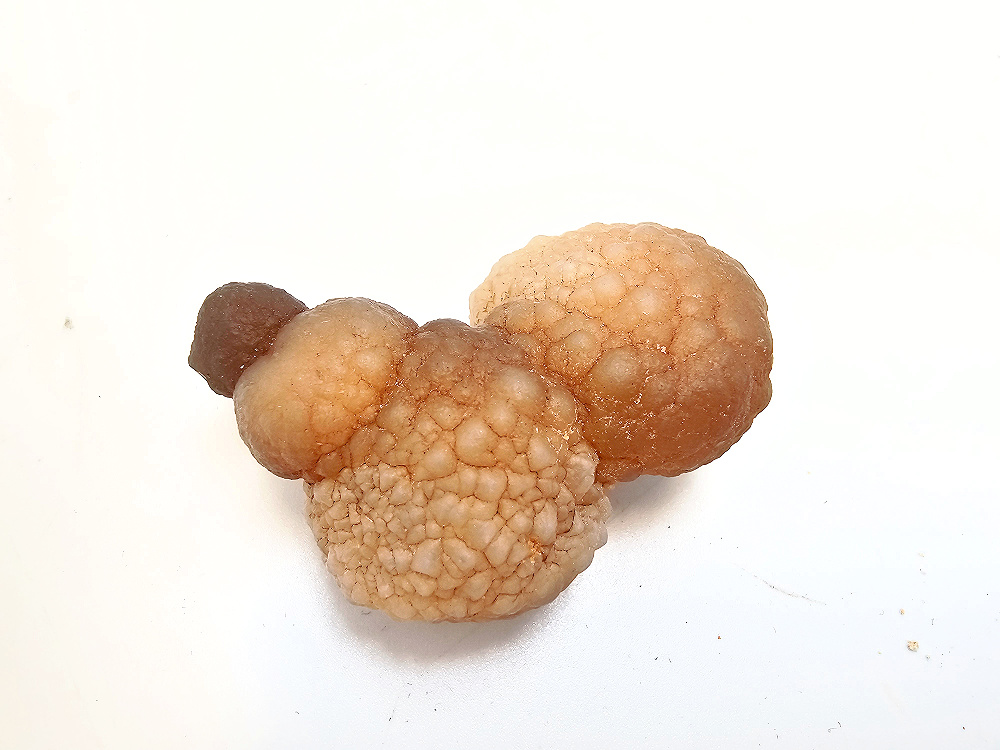
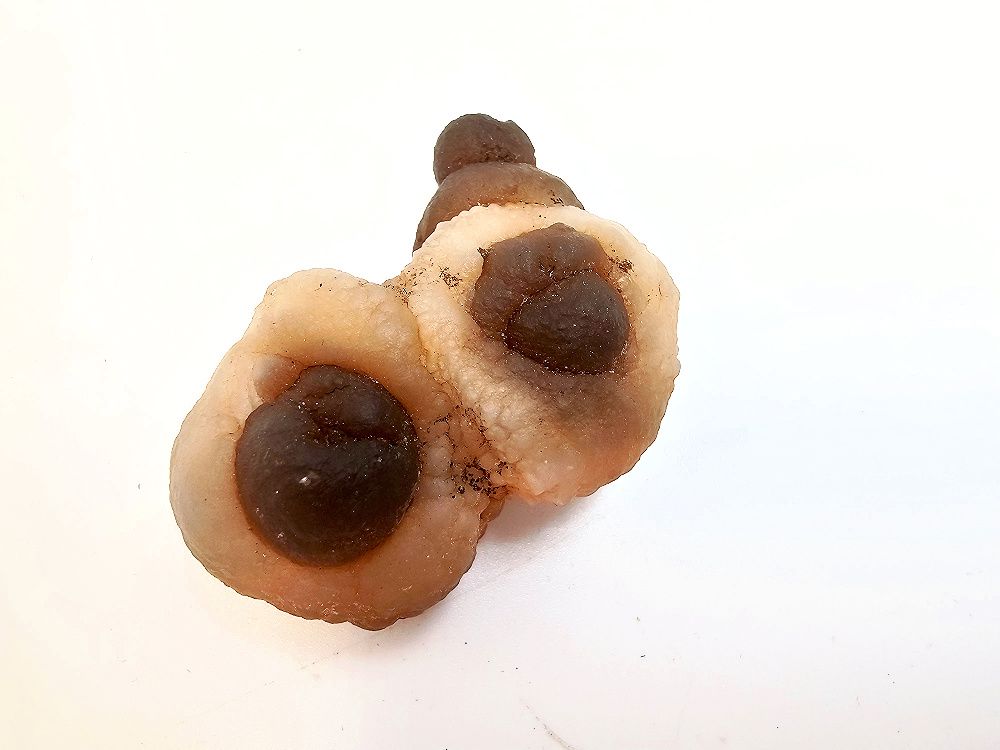




Panda Agate Truffle Chalcedony A (30g) – Botryoidal Chalcedony Specimen
Strange, sculptural and wonderfully unlike a conventional polished crystal, this Panda Agate Truffle Chalcedony specimen weighs approximately 30g and measures around 4.5 × 3.5cm. The material is known for its naturally rounded, clustered formations, giving it the knobbly, bubble-like surface that has inspired some of its unusual trade names.
Panda Agate and Truffle Chalcedony are names used in the crystal trade for forms of botryoidal Chalcedony. Rather than growing as obvious pointed crystals, the silica develops into rounded masses that can resemble clusters of tiny grapes, bubbles or miniature mineral domes.
If you love stones that look slightly alien, geological and beautifully weird, this one earns its place in the collection.
Explore more related specimens in our Agate collection.
Product Details
- Material: Panda Agate / Truffle Chalcedony
- Weight: Approx. 30g
- Size: Approx. 4.5 × 3.5cm
- Formation: Botryoidal Chalcedony
- Natural specimen
- Includes a crystal meaning card
What Is Truffle Chalcedony?
Truffle Chalcedony is a modern trade name commonly applied to unusual botryoidal Chalcedony specimens. “Panda Agate” is another name frequently used for the same or very similar material.
Chalcedony is a fine-grained form of silica belonging to the wider quartz family. Instead of forming the large, easily visible crystals seen in Clear Quartz points, its crystals are microscopic to extremely fine and grow together as a dense mass.
The result can look completely different from the classic quartz crystal shape most people expect.
Why Does It Look So Bubbly?
The geological word botryoidal describes a mineral surface made up of rounded, grape-like forms. The name comes from a Greek word relating to a bunch of grapes.
These rounded structures develop as mineral material grows outward around many small centres. As neighbouring growths meet, they create the characteristic lumpy or clustered surface.
Botryoidal growth isn’t unique to Chalcedony. Minerals such as Hematite, Malachite and Goethite can also form these wonderfully rounded surfaces.
Did You Know? Agate and Chalcedony Are Closely Related – But Not Identical Terms
This is where mineral naming gets interesting. Chalcedony is a broad term for very fine-grained quartz material. Agate is generally used for Chalcedony that shows characteristic banding or related patterned structures.
That means the popular trade name “Panda Agate” can be less mineralogically precise than “botryoidal Chalcedony”. Trade names often survive because they are memorable and collectors know what type of material they refer to, even when the formal geological description is different.
So this is one of those crystals where knowing both names is genuinely useful: Panda Agate or Truffle Chalcedony in the trade, botryoidal Chalcedony in geological language.
A Little Crystal That Looks Like Another World
One of the best things about botryoidal minerals is scale. Viewed normally, this is a compact hand-sized specimen. Look closely at the rounded formations and suddenly the surface can resemble an aerial landscape, clustered caves or a scene from another planet.
For collectors who enjoy mineral textures and unusual growth habits rather than only colour or sparkle, specimens like this can be particularly fascinating.
Browse our wider Crystals collection for more unusual mineral specimens.
Traditional Associations of Chalcedony & Agate
Within modern crystal traditions, Chalcedony is often associated with calm communication, harmony and emotional balance, while Agate is commonly linked with grounding, stability and protection.
Because Panda Agate and Truffle Chalcedony are trade names rather than separate mineral species, their metaphysical associations are generally drawn from the broader traditions surrounding Chalcedony and Agate.
Caring for Your Truffle Chalcedony
Chalcedony is a quartz-family material and is relatively durable, but naturally textured surfaces can contain small protrusions, crevices and delicate areas. Handle the specimen carefully and avoid knocking it against harder stones or hard surfaces.
For routine cleaning, use a soft dry brush or cloth to remove dust from the textured surface. Avoid harsh household chemicals and aggressive scrubbing.
Frequently Asked Questions
How large is this Panda Agate Truffle Chalcedony?
It weighs approximately 30g and measures around 4.5 × 3.5cm.
Are Panda Agate and Truffle Chalcedony the same thing?
The names are commonly used in the crystal trade for the same or very similar botryoidal Chalcedony material. “Botryoidal Chalcedony” is the more mineralogically descriptive term.
What does botryoidal mean?
Botryoidal describes a mineral surface made from rounded, grape-like growths. These clustered forms give Truffle Chalcedony its distinctive bubbly appearance.
Is Chalcedony a type of quartz?
Yes. Chalcedony is composed of extremely fine intergrowths of silica minerals within the quartz family rather than the large visible crystals associated with ordinary quartz points.
Why is it called Panda Agate?
Panda Agate is a modern trade name used by crystal sellers and collectors. It is not a separate officially recognised mineral species.
Does this specimen include a meaning card?
Yes. It includes a crystal meaning card covering the traditional associations connected with the material.
Pairs Well With
- Agate specimens for comparing different Chalcedony textures
- Botryoidal Hematite or Malachite for an unusual growth-form display
- Clear Quartz for contrasting crystal structures
- Rough mineral specimens
- Geological curiosities and unusual collector stones
Perfect For
- Collectors of unusual minerals
- Fans of strange and sculptural crystal formations
- Botryoidal mineral collections
- Small specimen displays
- Geology lovers
- Anyone who prefers wonderfully weird crystals over perfectly polished ones
Compact, lumpy and full of geological personality, this Truffle Chalcedony proves that a crystal doesn’t need a perfect point or polished surface to be fascinating.




Reviews
There are no reviews yet.